
Key Takeaways
- Early swimming instruction significantly reduces drowning risk for children under five.
- Swimming supports robust physical health through the development of strength, balance, and cardiovascular health.
- Babies and toddlers gain valuable cognitive and social skills from guided swim classes.
- Water confidence from early lessons helps reduce lifelong water anxiety and fosters healthy habits.
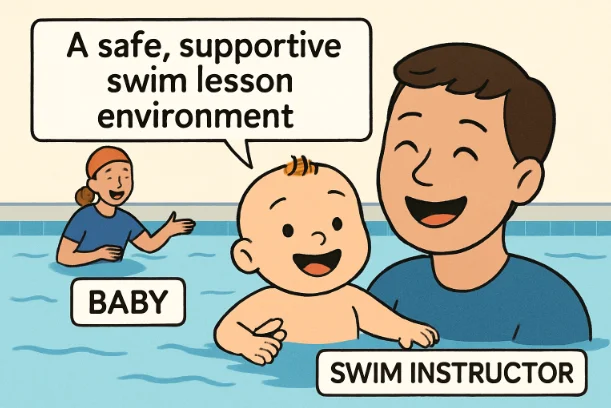
Introducing children to aquatic environments at a young age can be transformative, offering benefits that extend far beyond basic swimming skills. Early exposure to water supports holistic development, offering pathways towards physical, cognitive, and emotional growth. Enrolling your child in baby swim lessons can help them adapt to water, nurture safety skills, and build positive memories with parents or caregivers.
For many parents, the decision to start swim lessons during infancy might seem daunting, yet it can foster independence and water confidence from the very start. Developing these skills early offers benefits that extend throughout childhood and into adulthood, while also providing parents with practical peace of mind about water safety.
Enhancing Water Safety from a Young Age
Drowning tragically remains a leading cause of death for children between 1 and 4 years old. Early swimming lessons are an effective countermeasure, equipping infants with the basics of water safety, such as floating, grasping pool edges, and regulated breathing. These vital skills, taught through repetitive practice, can reduce the likelihood of serious incidents should a child accidentally enter a body of water.
Professional swim programs create controlled and supervised environments where children learn competencies tailored to their developmental stage. It’s important to emphasize that, as the Centers for Disease Control and Prevention (CDC) highlights, no swim lesson replaces vigilant adult supervision or the use of gates and barriers near any water source. However, the core skills taught in early classes can give children a better chance of survival in an emergency.
Physical Development and Health Benefits
Water play and formal swimming lessons are powerful tools for building physical literacy in young children. As babies kick, paddle, and splash, they engage nearly every muscle group, strengthening their core, arms, and legs. The buoyancy of water supports developing joints, enabling babies to practice bigger movements they may not yet be able to achieve on land.
Furthermore, swimming constantly challenges balance and coordination. Infants learn to adjust posture and maintain stability even as the water moves around them. This unique environment accelerates their gross motor skill development, and the aerobic nature of swimming builds strong cardiovascular foundations for lifelong health.
Cognitive and Social Growth
Beyond physical advantages, early swim programs enhance mental and emotional growth. The novel sensations provided by warm water, rhythmic splashing, and new activities ignite curiosity and stimulate the brain. These experiences encourage the formation of neural pathways associated with problem-solving, attention, and memory.
Class environments also provide babies and toddlers with opportunities for essential social interaction. Sharing toys, waiting for turns, and copying instructors’ movements all nurture foundational communication and cooperation abilities. Many swim instructors also use songs and games to reinforce both listening skills and language, providing children with a developmental boost that may translate into other learning environments.
Building Water Confidence and Reducing Fear
Unfamiliar water can often evoke apprehension in young children. However, with repeated positive experiences and gentle guidance in a structured setting, early lessons reduce anxiety and foster self-assurance in aquatic environments. Children who gain confidence handling water are far more likely to approach future aquatic activities with enthusiasm rather than fear.
This resilience also supports trying new sports and activities. Children who are comfortable in water often also demonstrate greater willingness to explore other group or solo challenges, enhancing overall physical literacy and self-belief.
Strengthening Parent-Child Bonds
A unique strength of early swim lessons is the close, one-on-one time they offer between parents and children. Participating in guided water activities fosters trust as the child learns cues and routines alongside their caregiver. The mutual enjoyment and physical closeness experienced during classes deepen their emotional connection, laying the groundwork for secure attachment and shared family memories.
Improving Sleep Patterns and Appetite
The energy expended during swim time can be impressive even for the youngest participants. Active engagement in water helps regulate infants’ sleep cycles, often resulting in more restful sleep after lessons. Additionally, swimming can stimulate appetite, which may be especially welcome for parents navigating picky or distracted eaters.
Encouraging Lifelong Healthy Habits
Early positive encounters with swimming can spark a joy of movement that tends to persist as children grow. Familiarity and proficiency in swimming not only strengthen health but can also motivate children to embrace other sports and physical activities in future years. Embedding fitness as a normal and enjoyable part of life from infancy may help foster lifelong well-being habits.
Incorporating swimming into your child’s routine is an investment in their safety, development, and enjoyment of life. By starting early, you equip them with durable skills that pave the way for healthy bodies, confident minds, and strong bonds with loved ones.
