
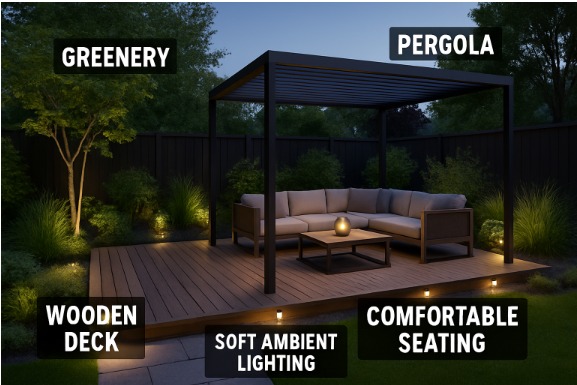
Designing outdoor areas has become essential to how people enjoy their homes today. Homeowners are finding value in transforming open spaces into versatile extensions of their interiors. With careful planning, an outdoor setting can provide relaxation and functionality, blending comfort with nature. Thoughtful layouts and durable, attractive materials can make these spaces inviting for daily living and entertaining.
Incorporating elements that encourage gathering and leisure is a key consideration. Features such as decks and gazebos provide structure while enhancing the overall ambiance, offering shaded retreats or platforms for social interaction. These additions, combined with landscaping, lighting, and comfortable seating, can turn a simple yard into a welcoming environment. When balanced well, outdoor areas become harmonious spaces that enrich modern lifestyles.
Embracing Multi-Level Designs
Maximizing your yard’s potential, especially in smaller or sloped settings, requires creative thinking. Multi-level designs are a practical and stylish solution. Stacking spaces makes outdoor areas feel larger and more purposeful—for example, elevating a dining zone above a sunken seating retreat. Each level serves a distinct function while enhancing privacy and flow, enabling everything from lively gatherings to solitary relaxation. This approach is especially effective for defining zones without physical boundaries while also adding depth, visual interest, and architectural appeal.
Utilizing Sustainable Materials
Sustainability is a driving force in today’s home design, and modern outdoor spaces are no exception. Choosing reclaimed wood, composite decking, permeable pavers, and responsibly-sourced stone can reduce environmental impact while ensuring durability. Opt for furniture made of recycled plastics or FSC-certified timber to reinforce a commitment to nature further. Incorporating native plants—suited to your local climate—lowers water use, attracts pollinators, and supports local biodiversity. Sustainable design is not only an ethical choice; it often results in easier maintenance and greater longevity for your outdoor upgrades.
Incorporating Biophilic Elements
Biophilic design strengthens our connection to nature by integrating natural elements directly into the built environment. Adding vertical gardens, lush green walls, or clusters of potted plants introduces color, pattern, and fresh air to even the smallest patios. These living backdrops enhance well-being by boosting oxygen, shading outdoor rooms, and providing a visually soothing retreat. The popularity of biophilic design has grown as more homeowners recognize the physical and mental health benefits of time spent outdoors.
Selecting Functional and Stylish Furniture
The right furniture transforms any outdoor space into a comfortable living area. Choose modular sofas, weather-resistant loungers, or extendable dining sets to accommodate everything from quiet mornings to large gatherings. Materials like teak, powder-coated steel, and all-weather wicker not only withstand the elements but also add visual warmth. Customize your seating with cushions in bright patterns, textured throws, and outdoor area rugs for a pop of personality. Make use of clever storage ottomans or lounge chairs that double as side tables, keeping the area organized without sacrificing style.
Designing Outdoor Kitchens and Dining Areas
An outdoor kitchen brings next-level convenience and creativity for those who love to entertain. Modern setups can range from a simple grill-and-prep station to fully equipped culinary spaces with built-in sinks, refrigerators, and pizza ovens. Position your al fresco kitchen close to dining spaces for easy serving. Pair a sturdy table with ergonomic chairs to invite guests to linger long after the meal has ended. Overhead pergolas or retractable awnings offer shelter and shade, extending your kitchen’s season of use.
Enhancing Ambiance with Lighting
Thoughtful lighting is essential to transform patios and gardens into magical evening retreats. Layer string lights, lanterns, and path markers to provide both safety and ambiance. Soft uplighting can highlight architectural features or mature trees, while dimmable sconces create a cozy conversation nook. Opt for solar landscape lights for pathways or accent areas to reduce energy costs and simplify installation.
Adding Water Features for Tranquility
A well-placed water feature instantly elevates any outdoor area, adding movement and a calming soundtrack. Fountains, koi ponds, or minimalist reflecting pools can all create focal points, fostering relaxation and masking city noise or traffic sounds. Even a small wall-mounted waterfall or a series of container ponds can attract birds and butterflies, making your retreat feel worlds away from everyday stress. The right water feature can be both a central gathering spot and a source of sensory serenity.
Bringing It All Together
Well-designed outdoor spaces go beyond aesthetics—they enrich daily living, encourage connection with nature, and create lasting memories with family and friends. Blending functionality, sustainability, and style allows homeowners to transform even modest yards into personalized retreats that offer comfort, beauty, and long-term value.
