
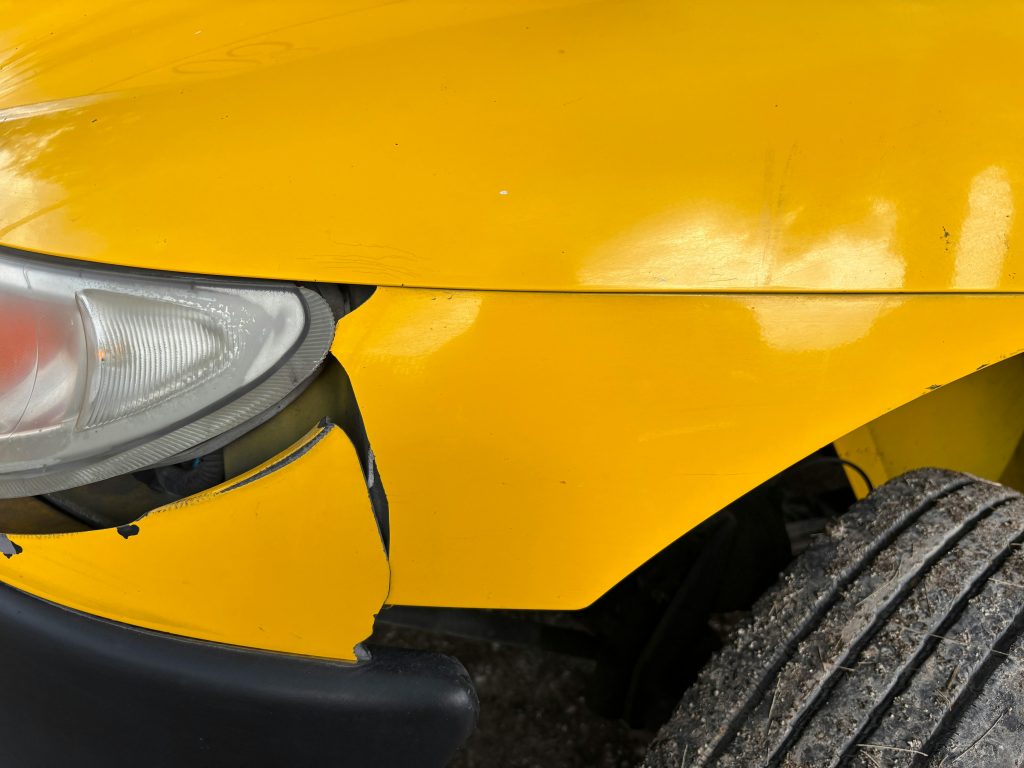
There’s nothing quite like the sinking feeling you get when you discover someone has hit your car. The moment of realization brings a wave of emotions. Whether you witnessed the incident unfold before your eyes or returned to find unexpected damage to your vehicle, the impact hits hard emotionally and financially.
If someone has hit your car, here are four next steps you could take.
1. Ensuring Safety and Documenting the Scene Immediately
The moments following a car incident require a clear head and methodical approach. If you’re present during the collision, your primary concern should be personal safety. A quick self-assessment for any injuries comes first, followed by checking on any passengers in your vehicle. The adrenaline rush might mask minor injuries, so it’s worth taking a few extra moments for a thorough evaluation.
With safety confirmed, your phone becomes a tool. The documentation process begins with comprehensive photo coverage of the scene. Each picture tells part of the story, from close-ups of scratches and dents to wider shots showing the vehicle positions and surrounding area. The damage might seem obvious now, but detailed photos will prove invaluable during insurance negotiations. Clear images of broken lights, crumpled panels, and even paint transfers between vehicles create an undeniable record of the incident.
The importance of immediate written documentation cannot be overstated. A detailed account should include the precise time and date, current weather conditions, and the exact location of your vehicle. The surrounding environment matters too. Nearby landmarks, street names, and even the position of the sun can provide important context. These details might seem trivial in the moment, but they often become crucial pieces of information.
2. Exchanging Information With the Other Driver
The interaction with the other driver requires a delicate balance of professionalism and caution. This exchange should focus solely on gathering essential information. The necessary details include their complete name, current contact information, driver’s license details, and license plate number. Insurance information stands as equally important. You’ll need their insurance carrier’s name, policy number, and if available, their insurance agent’s contact details.
Vehicle information deserves careful attention as well. A thorough description of their vehicle should include the make, model, year, and color. This information becomes particularly valuable for insurance claims and police reports. During this interaction, maintaining a neutral tone proves essential. Any statements about the incident, including casual remarks or seemingly innocent comments, might affect the claims process later.
Situations involving uncooperative or aggressive drivers require a different approach. Personal safety remains the top priority in these scenarios. When faced with hostility or resistance, maintaining distance and contacting law enforcement provides the safest solution. The presence of police officers often helps facilitate a proper information exchange and creates an official record of the incident. In cases where the other driver attempts to leave the scene, the focus should remain on gathering as much identifying information as possible from a safe distance.
3. Reporting the Incident
A police report serves as a crucial legal document that goes far beyond basic documentation. Insurance companies rely heavily on these official records to process claims fairly and efficiently. The initial visible damage to vehicles can often disguise more serious underlying problems that surface in the following days or weeks, making the police report an essential piece of evidence. Some people might choose to seek legal counsel to help navigate these complexities. Sometimes, a qualified uninsured motorist lawyer may be contacted.
Nevertheless, most accident scenarios call for reaching out to the non-emergency police line for assistance. The situation changes dramatically when accidents involve physical injuries, significant vehicle damage, or hit-and-run incidents. These circumstances necessitate an immediate connection to emergency services for rapid response. The interaction with law enforcement at the accident scene plays a vital role in documentation. Drivers benefit from providing a detailed, factual narrative of the events, which the responding officers will include in their official report.
4. Notifying Your Insurance Company Promptly
Time plays a crucial role in the aftermath of an accident. Insurance companies appreciate and often require notification within the first 24 hours following an incident. Delays in reporting could potentially compromise the claim’s validity before the process even begins. The initial conversation with insurance representatives should mirror the same factual, objective approach used when speaking with law enforcement.
The insurance process typically begins with the creation of a claim file and the assignment of an adjuster who will assess the damage and determine coverage details. The conversation with insurance representatives will likely include numerous questions about the incident. Insurance holders should understand their right to take time before providing recorded statements if they feel uncertain or uncomfortable. The discussion should also include clarification of coverage details, including collision coverage, uninsured motorist protection, and applicable deductibles.
Documentation becomes a vital tool throughout the insurance claims process. Each interaction with the insurance company deserves careful recording, including the names of representatives, conversation dates and times, and detailed notes about the discussion content. This systematic record-keeping approach creates a valuable reference point if questions or disputes arise regarding coverage decisions or claim handling procedures. The documentation serves as a personal insurance chronicle, providing protection against potential misunderstandings or discrepancies.
Conclusion
The aftermath of vehicle damage could create unwanted stress. Taking certain actions afterwards may help remedy the situation.
