
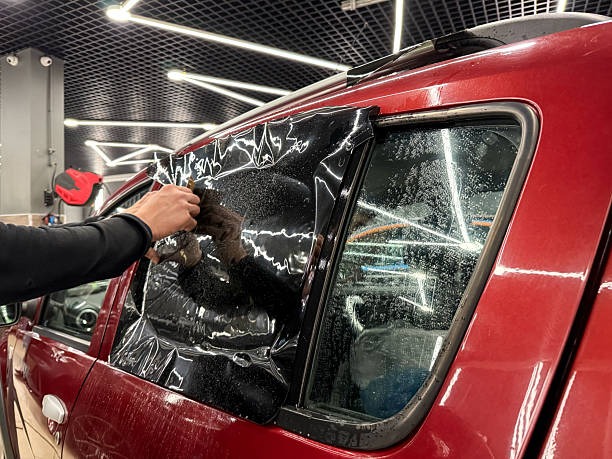
Car wraps have transformed from a mere trend into a full-fledged movement in automotive customization. From individual vehicle owners to wrap shops, everyone is leaning toward car wraps for color changes, advertisement, and even as an alternative to paint protection. However, achieving flawless wraps goes beyond skill; flawless wrap projects start with acquiring the proper car wrap supplies. The difference between the satisfaction of your customers and the outcome of your work very much depends on having high-quality materials, tools, and vendors that you can trust. In this article, we will guide you on the essentials of how to manage your car wrap inventory, find good suppliers, and what really matters when sourcing materials for custom car wraps projects.
Knowing the Basics of Car Wrap Materials
Before you get to the best products for your project, knowing the components that make a set of car wrap supplies is crucial. A generic vehicle wrap project generally consists of: vehicle wrap vinyl (usually made out of cast or calendered film), squeegees, heat guns, knifeless tape, and surface prep solutions. For full wraps, cast vinyl is readily used due to its superior conformability and longevity. On the other hand, calendared vinyl works best with flat surfaces or short-term applications. The type of vinyl selected will impact the ease of installation, adhesion, and longevity of the wrap. Modern high-end wraps incorporate features like air-release channels, low-tack adhesives, repositioning technology, and pre-masking that aid in more efficient installation, reducing the likelihood of failure. Furthermore, many professionals incorporate protective laminates to improve the finish, UV protection, and overall durability to the job, enhancing the lifespan and appearance of the wrap.
Selecting Trustworthy Suppliers and Distributors
Sourcing your car wrap supplies is as crucial as sourcing them. A good supplier is not just a store; it is a collaborator with your business. As of 2025, most professional wrap installers prefer to deal with specialized distributors that not only sell premium brands, but also offer their assistance, technical information, prompt delivery, and sometimes even training. While trying to find a trustworthy supplier, examine the range of products offered, especially the availability of popular colors and finishes, and order fulfilling speed. Additionally, it is equally important to determine whether the supplier offers original certified materials from reputable manufacturers. Some distributors grant your business a competitive advantage by restricting access to newly released films or limited-edition colors. Others may favor bulk ordering, private labeling, or volume discounting. The most competitive suppliers offer online order placement and inventory monitoring which simplifies the process. For growing businesses, partnering with suppliers who can support their business requires materials suited for beginners and seasoned marketers. This flexibility in sourcing can drive long-term profitability and efficiency.
Brand Comparison and Quality Assessment
The choice of wrap vinyl brand directly impacts the quality of the wrap, and not all brands are created the same. Examine the brand’s product line before determining if their offerings meet your needs. Most reputable brands carry films that are easy to work with, install smoothly, and perform well under different weather conditions. Important factors that you should consider are conformability to adhesive curves and contours, strength of the adhesive bond, ability to withstand UV light, and the sturdiness of the surface. Some top-tier brands make application easier with patented technologies such as bubble-free air channels or self-healing features. In fact, with the emergence of color wrap vinyls, many wrap installers-turned-paint protection film professionals have begun to incorporate their advanced expertise in durable transparent films. This is resulting in wrap films that look visually appealing but also offer functional protection. Quality vinyl wraps may add to overall project expenditure, but the lower rework costs, reduced material wastage, and long-term outcomes make it a more economical choice in the end. Don’t forget that the cheapest option is not always the most economically friendly option; higher quality vinyl tends to offer less application problems and greater customer satisfaction.
Understanding Customization, Car Wrapping, and Specialty Films
Customization takes the front seat in vehicle wrapping, and the vast selection of finishes, colors, and other modifications available grows almost daily. It is no longer the case that automotive wrap suppliers are limited to providing materials with a matte or gloss finish. Wrap installers are now using chrome, satin, pearlescent, carbon fiber, and brushed metal film, as well as color-shift and even glow-in-the-dark or thermochromic materials, creating stunning designs that draw eyes on the road. Though specialty films require more care during application, the stunning results offered make the investment worthwhile. Some of these films are available only through exclusive suppliers or limited runs, which is why it is essential to have distributors who continuously refresh their stock and are willing to put their resources towards new and inventive designs. Lately, some wrap brands have started adding PPF-level protection to decorative films, which gives customers the price advantage of wraps alongside the scratch-resistance and durability of paint protection products. If you do custom work, ensure that your supplier allows for low-MOQ-dominant custom colors and textures, which helps meet niche market needs without risks for stockpiling too much inventory. This competitive edge in the wrap market is gained through the balanced visual creativity and functional value provided to customers.
Best Practices for Inventory Management and Cost Control
Efficient inventory management of car wrap supply enables the wrap shops to be responsive to customer demand while managing to be profitable. Multiple jobs with various distinct material requirements is a common occurrence in a wrap shop. Therefore, being organized and having a well planned stockroom is imperative. Wrap professionals often order finishes in smaller quantities as opposed to bulk orders. Core colors are usually kept in stock, and rapid restock suppliers are used for specialty projects. Consumption tracking and accurate forecasting can be enhanced for wrap shops with the help of inventory tracking software. This not only helps manage costs, but also reduces the risk of overstocked expensive specialty films that go unused. Negotiating prices with suppliers is just as important. This provides a means to free shipping, payment thresholds, new product access, and discounts. When assessing the wrap film that gives the optimal return, keep in mind the real expenses including labor and waste. Trustworthy high-quality material suppliers enable you to get the work done efficiently. This saves money on rework due to high customer satisfaction and reduced need for corrective work.
