
Table of Contents
- Virtual Reality and Augmented Reality
- Big Data and Artificial Intelligence
- Blockchain in Real Estate Transactions
- Internet of Things and Smart Homes
- Social Media Marketing
- Online Property Platforms
- Conclusion
Technology is rapidly reshaping the real estate landscape, bringing unprecedented changes to how people buy, sell, and manage properties. Today’s buyers can tour homes from the comfort of their couch, and sellers can reach a global audience instantly. In highly competitive markets, New York City real estate agents are increasingly relying on advanced digital tools to showcase properties, analyze pricing trends, and connect with both local and international buyers. Innovations such as virtual reality, artificial intelligence, and blockchain continue to transform the industry, making property transactions faster, safer, and more accessible than ever before.
These technological advancements also empower both industry professionals and consumers to make better-informed decisions. With the integration of smart devices, increased market transparency, and the evolving nature of property marketing, the real estate market is more user-friendly and efficient. Agents and homebuyers now have access to data-driven insights and innovative platforms, fundamentally changing every step of the real estate journey.
Virtual Reality and Augmented Reality
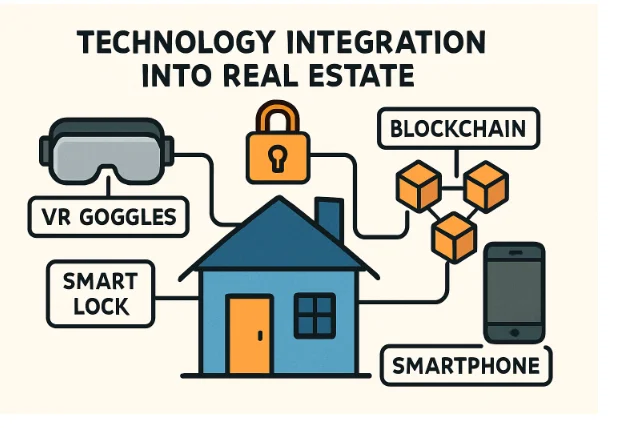
Virtual Reality (VR) and Augmented Reality (AR) are at the forefront of redefining how people experience property listings. Gone are the days of relying solely on static images or floor plans. VR allows buyers to immerse themselves in 3D tours, providing a feel for the space, scale, and flow of homes, all from their own device. AR, meanwhile, can overlay furnishings or renovation possibilities onto a live view of a space, helping buyers visualize potential without the need for physical staging. Especially during restrictions on in-person showings, these technologies offer a safer and more convenient alternative to traditional tours, broadening the buyer pool and expediting the sales process.
Big Data and Artificial Intelligence
Big Data and Artificial Intelligence (AI) are revolutionizing real estate analytics. Agents and investors now harness AI-driven tools to forecast shifts in property values, rental demand, and neighborhood development trends. Algorithms analyze countless factors—demographic shifts, nearby school ratings, transportation, crime rates—to provide nuanced valuation models. This precision leads to more innovative pricing strategies and investment choices. Additionally, AI-powered chatbots streamline customer service by rapidly answering queries and qualifying leads, saving valuable time for professionals and clients alike.
Blockchain in Real Estate Transactions
Blockchain technology is gaining ground in property transactions, addressing the industry’s long-standing headaches related to security and efficiency. By leveraging blockchain, real estate deals can be conducted through digital “smart contracts” that are tamper-proof and transparent, reducing fraud risks and eliminating cumbersome paperwork. The technology not only speeds up closings but also creates permanent, verifiable records that both buyers and sellers can trust. As a result, transactions are smoother and offer better protection for all parties involved.
Internet of Things and Smart Homes
With the proliferation of the Internet of Things (IoT), homes are becoming increasingly intelligent and interconnected. Devices ranging from thermostats to lighting, appliances to security systems, can now be centrally managed, often via smartphone apps. This digital integration not only enhances comfort and convenience but can also improve home security and energy efficiency. Buyers are now seeking out homes already equipped with innovative features—a trend that’s quickly turning such upgrades from perks into expectations for modern properties.
Social Media Marketing
Social media has emerged as a critical platform for property marketing. Dynamic visual content, such as video walkthroughs and interactive posts, amplifies listing visibility and attracts tech-savvy home shoppers. Realtors connect with a broader audience and foster engagement via Instagram, Facebook, and TikTok, providing real-time updates and authentic glimpses into listings. Additionally, precise ad targeting and performance analytics help agents refine their outreach and achieve better results through their digital campaigns.
Online Property Platforms
Online property platforms have democratized access to property data. Comprehensive databases, virtual tours, interactive neighborhood maps, and detailed property histories are now standard offerings on leading websites, enabling buyers to conduct thorough preliminary research before stepping into a home. Such platforms empower buyers and investors with the information needed to make confident, competitive offers, while sellers benefit from increased exposure and streamlined transactions.
Conclusion
The rapid adoption of advanced technologies is fundamentally transforming the real estate sector, making the entire process—from searching for a property to completing a transaction—more efficient, secure, and accessible. For both industry professionals and property seekers, embracing these innovations is key to thriving in today’s fast-evolving marketplace.
