
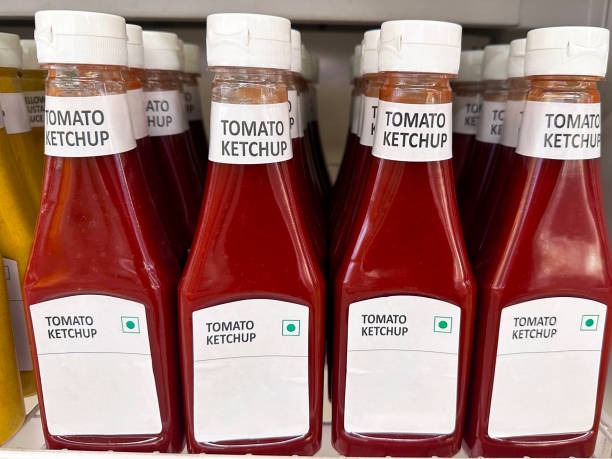
Fast-food kitchens, school cafeterias, and grocery store shelves all rely on neatly sealed packets of ketchup to keep meals tidy. Because ketchup is thick, the line that fills, seals, and labels each pouch must work quickly yet gently to prevent messes and ensure safety. Whether a producer wants single-use sachets for take-out bags or large pouches for bulk dispensers, modern food-grade packaging machines can meet that demand with less waste, longer shelf life, and consistent portion control.
Today’s ketchup packaging line goes well beyond a basic filling head-it-a fully automated station fitted with pumps, sensors, and software that keeps each container clean and right to the last drop. In the sections that follow, we break down these smart parts, the gains they deliver on the floor, and the key questions every manufacturer should ask before upgrading to a high-viscosity pack line.
Why Packaging Thick Products Like Ketchup Is Tricky
Ketchup may look simple, but its thickness and tendency to stick make packaging no walk in the park. Because it flows differently than water-or almost any other thin liquid-the line has to tackle several challenges:
- Getting the right portion every time
- Filling without messy drips
- Leaving as little leftover product as possible
- Keeping everything clean and safe
- Sealing every container so it stays closed
Regular liquid fillers just can’t do the job, so factories turn to specialized food packaging gear that uses air pressure or piston drives. These setups move the thick sauce gently, trapping little air and cutting foaming to a minimum.
Parts You’ll Find in a Ketchup Filling Line
A typical ketchup packing line bundles several key pieces that work in harmony to fill, seal, and guard against germs. Depending on how fast a plant needs to run, the system can semi-auto-click a button to start-or fully auto-no hands needed beyond maintenance.
Viscous Product Filling System
Thick foods like ketchup or barbecue sauce require special filling gear:
- Piston fillers give precise volume from batch to batch.
- Peristaltic pumps move product gently and clean easily.
- Heated hoppers or agitators keep material flowing at steady temp.
Together, these systems fill heavy sauces without clogs, drips, or waste.
Form-Fill-Seal (FFS) Mechanism
In vertical and horizontal Form-Fill-Seal lines, a roll of film turns into bags, gets filled, and seals-up in one small footprint. Because all steps stay inside the machine, the setup greatly cuts exposure. Users like it for:
- Single-use packets for takeout
- Jumbo pouches for family meals
- Bulk bags for restaurants or catering
No-Drip Nozzles and Clean Cut Valves
When working with thick liquids, even a small drip can ruin a pack or the work area. Filling heads with no-drip, clean-cut valves snap shut at the end of each dose, keeping the sealing zone tidy every time.
Sealing and Film Compatibility
Keeping ketchup fresh and spill-free means packaging must have sturdy seals and materials that block air and moisture. Most filling lines work well with:
- foil-laminate pouches,
- multi-layer plastic films,
- retort-ready bags for longer shelf life.
Integrated Controls and Hygiene Monitoring
Today’s machines come loaded with PLCs, touch-screen displays, and alerts that track cleanliness. Some also add UV lights, nitrogen purging, and temperature checks to meet strict food-safety rules.
Benefits of Automated Ketchup Packaging for B2B Operations
Food makers who sell to restaurants and retailers juggle tight schedules, quality tests, and cost targets every day. Adding a ketchup-ready packaging line brings these key advantages:
Increased Throughput
Fully automatic fill-and-seal stations run thousands of pouches per hour with the same precise weight. That keeps the factory moving fast without losing product quality.
Precision and Product Savings
Cutting-edge equipment cuts back on overfills, sticky drips, and wasted sauce. Even small gains in fill weight can translate into serious savings month after month.
Improved Shelf Life and Product Integrity
Quick, uniform seals combined with barrier films lock out spoilage agents and push shelf life far into the future.
Lower Labor Costs and Less Downtime
Automated machines take over repetitive jobs, so fewer workers are needed on the line. Quick-Clean-in-Place systems and tool-free changeovers keep the line moving between batches with minimal delays.
Built-In Hygiene and Safety Compliance
Modern ketchup-filling lines use food-grade materials and follow steps that meet HACCP, FDA, and GMP guidelines, making sanitation part of the process.
Tailored Solutions for Every Packaging Style
Every business has its own packaging goals based on customers, shipping, and brand image. Today’s ketchup-packaging lines come with plenty of options to match those goals.
Multiple Package Styles
The same line can be set up for:
- Sachets (pillow, stick, or three-side seal)
- Stand-up pouches with spouts
- Glass jars or plastic squeeze bottles
- Bulk bags for food-service or catering use
Easy-to-Change Fill Sizes
Whether filling tiny 10-gram condiment pouches or 5-kilogram bulk packs, operators can set and revise volumes through software, without loosening a single screw.
Inline Branding and Labeling
Many systems now ship with built-in printers or label heads, so every pack carries the right logo and meets legal codes as it passes off the line.
Modular Add-ons
Because the line uses a plug-and-play design, you can easily add:
- Metal detectors
- X-ray systems
- Camera-inspection units
- Checkweighers with reject options
This setup helps factories grow steadily as demand rises or new items enter the mix.
How to Pick the Best Ketchup Packing Machine
Choosing the right ketchup-packing machine is simple once you list what you need now-and what you may need later. Keep these points in mind:
- Thick syrup behavior and flow speed
- Hourly output target and peak demand
- Bottle shape and material type
- Shelf life goals and barrier level
- Footprint room and hook-up with current lines
- Clean time, upkeep work, and fast changeovers
Team up with a skilled supplier who designs the line for you, installs and trains your crew, and keeps spare parts handy for years of trouble-free use.
Conclusion
Packaging thick products like ketchup isn’t something a regular filling line can handle well. You need ketchup packaging machines built to work with heavy liquids and meet tough cleanliness and speed standards, so today’s food factories can run smoothly.
Choosing the right food packaging equipment speeds up your line and makes sure each bottle arrives at the store in mint shape. If you want longer shelf life, less spillage, and strong brand appeal, adding these smart machines to your setup is a smart step toward lasting success.
