
Key Takeaways
- Migration patterns are a major determinant of housing demand and property values, affecting both the regions people move to and those they leave behind.
- Climate change and the rise of remote work are major influences shaping today’s migration trends.
- Understanding migration patterns is essential for making informed real estate decisions, whether as an investor, policymaker, or homeowner.
Table of Contents
- Introduction
- Drivers of Migration
- Impact on Property Values
- Climate Change and Migration
- Remote Work and Relocation
- Regional Case Studies
- Strategies for Stakeholders
- Conclusion
Understanding how migration trends shape real estate markets is vital for homeowners, investors, and policymakers seeking to make informed decisions. As individuals and families relocate for work, lifestyle, climate, or economic opportunity, each move can create ripple effects that affect property values in both the areas they are leaving and the areas they are moving to. Professional guidance from local experts, like Durham NC real estate experts Spotlight Realty, can offer valuable insight into how these migration trends translate to specific neighborhoods and investment opportunities.
Migration is not driven by a single factor. Shifts in the workforce, the prevalence of remote work technologies, and broader social changes all play significant roles in where people choose to live. Stakeholders must be alert to these drivers, as changes in neighborhood and regional populations directly influence demand, which in turn affects real estate prices and the overall character of a community.
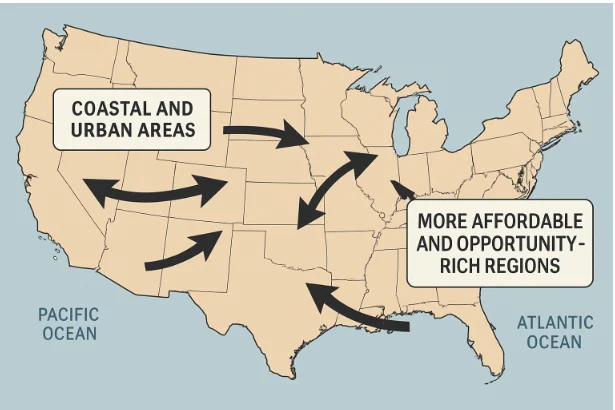
Recent years have shown migration flows not just from rural to urban or one state to another, but also from costly coastal hubs to more affordable, opportunity-rich regions. These movements are often enabled by technology, changing lifestyles, and new priorities for both individuals and families. Understanding where people are moving from and why can give you an edge when buying, selling, or investing in real estate amid changing markets.
Wider trends, such as the effects of climate change and major economic shifts, also have a lasting impact on patterns of human migration. By examining how these forces intersect, analysts can more accurately predict where property values are likely to appreciate or decline in the coming years. With this knowledge, investors can take a proactive approach to maximizing return, while policymakers can plan for sustainable community growth.
Drivers of Migration
Several powerful factors influence why people move and where they go. Foremost among these are economic opportunities, such as better-paying jobs and lower living costs. Housing affordability is a key driver, with many families seeking markets where their money goes further, especially amid rising home prices in major cities.
States such as Florida and Texas have become popular migration destinations due to their relatively lower taxes, robust job growth, and more affordable housing markets. These factors attract both individuals and corporations, increasing population inflows and stimulating the local economy. Conversely, places with limited affordable housing or rising living costs, such as some California metros, may see more people leaving than arriving.
Impact on Property Values
Migration patterns continue to have a clear and measurable impact on property values in the mid-2020s. As population inflows accelerate in certain metros and Sun Belt regions, housing demand rises faster than supply, pushing home prices upward—particularly in markets constrained by zoning limits or slow construction pipelines. Conversely, communities experiencing population decline are seeing softer demand, longer listing times, and flat or falling home values.
Recent analyses from the Cato Institute in 2025 reaffirm this relationship, showing that immigrants remain a significant driver of local housing markets and public revenue. By the mid-2020s, immigrants were contributing well over $100 billion annually in property-related taxes and fees while indirectly boosting surrounding property values through increased demand. These value gains continue to support funding for schools, infrastructure, and essential public services, reinforcing the role migration plays in shaping real estate trends nationwide.
Climate Change and Migration
Climate change has emerged as a powerful, sometimes unpredictable force driving migration across the country. Rising sea levels, increased wildfire risks, and stronger hurricanes force some households to relocate to safer regions, sometimes abandoning at-risk properties. The resulting population shifts can depress property values in vulnerable areas, while boosting markets in regions seen as climate-resilient.
A notable report from First Street Foundation projects up to $1.47 trillion in net real estate value losses across the U.S. due to higher insurance premiums and evolving consumer preferences. These findings reinforce the central role of environmental risks in real estate investment strategies, influencing both migration decisions and market valuations.
Remote Work and Relocation
The normalization of remote and hybrid work through 2025 has permanently reshaped U.S. migration patterns. With fewer employees required to live near a central office, many households continue to relocate away from dense urban cores toward suburban, exurban, and rural communities. This shift has sustained strong housing demand in markets that once experienced modest or stagnant population growth.
Housing data tracked through late 2025 shows that rural and vacation-oriented counties have recorded home price growth exceeding 40 percent since the early 2020s, driven largely by remote workers and lifestyle buyers. These areas appeal to buyers seeking more living space, flexible work environments, and a lower overall cost of living, reinforcing a long-term redistribution of housing demand beyond traditional metropolitan centers.
Regional Case Studies
California provides a clear example of how migration patterns can interact with local housing dynamics. In desirable coastal urban areas, population growth has greatly outpaced home construction, resulting in extremely high property values and serious affordability challenges. In contrast, many inland areas have seen stagnant or declining prices as residents leave for other states or seek more affordable lifestyles elsewhere in the U.S.
This pattern is echoed in other fast-growing states, where sudden population surges have created challenges related to housing shortages, infrastructure, and the need for expanded public services. The experiences of these regions serve as both warnings and roadmaps for addressing similar challenges elsewhere.
Strategies for Stakeholders
Those engaged in the real estate market need to actively monitor demographic and migration shifts to identify new areas of opportunity and risk. Investors can use migration data to spot emerging markets with growth potential, while policymakers should prepare for rising demand for infrastructure and affordable housing. Homeowners, for their part, can consider the potential effects of migration on their property values as they decide whether to refinance, renovate, or sell.
Long-term, sustainable planning requires a focus on data, transparency, and an understanding of both local and national migration trends. By staying informed and proactive, stakeholders can better position themselves for success in a rapidly evolving real estate landscape.
Conclusion
Migration patterns are central to the evolution of property values across the country. Whether influenced by remote work, economic opportunity, or environmental risk, these trends inform how and where communities grow. By tracking these patterns and understanding their causes and effects, buyers, sellers, and investors can seize opportunities and avoid pitfalls, ensuring well-informed, resilient real estate decisions now and in the future.
