
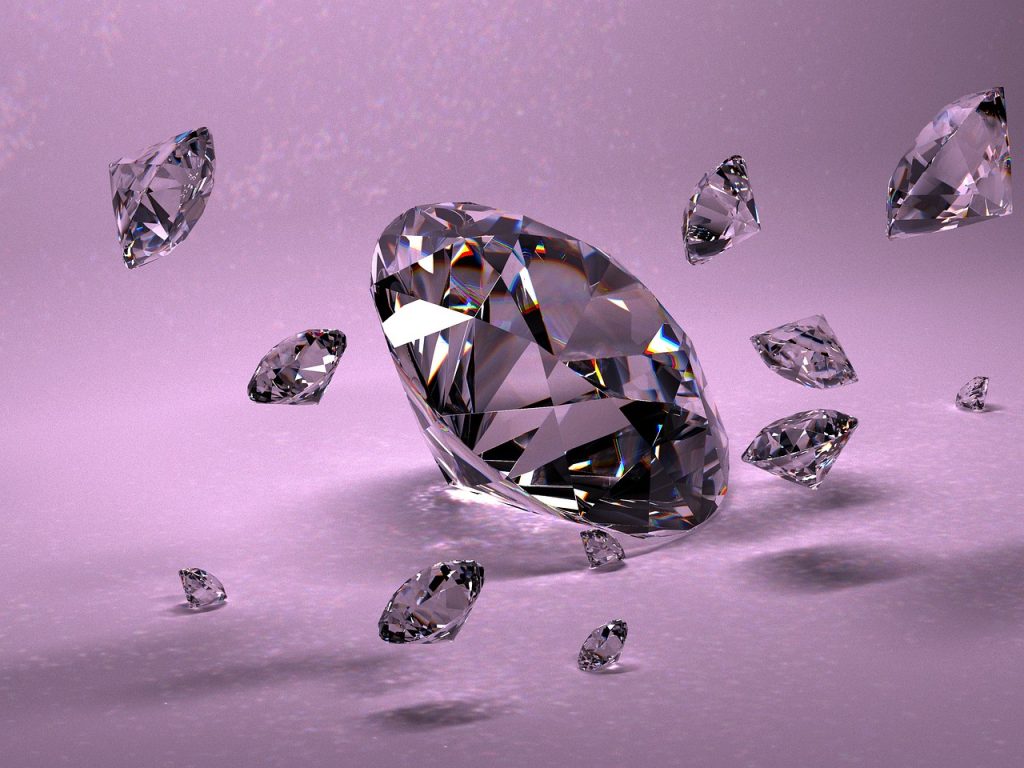
If you’re still thinking that diamonds are forever, welcome to 2025 — where “forever” just got a serious upgrade. While your grandmother’s generation was sold on the romance of billion-year-old rocks pulled from the earth by questionable means, today’s consumers are asking better questions: Why destroy landscapes for sparkle? Why fund sketchy supply chains for status symbols? And most importantly, why pay premium prices for artificial scarcity when science can deliver identical results without the ethical baggage?
The diamond industry has been selling the same tired story for decades, but Gen Z and millennials aren’t buying it. They want their luxury with a side of conscience, their bling with a brain. And frankly, it’s about time someone called out the emperor’s very expensive, very dirty clothes.
💎 Why Mined Diamonds Are Yesterday’s Problem
Let’s start with some uncomfortable truths about traditional diamond mining that the industry would prefer you didn’t Google. To extract a single carat of diamond, mining operations move approximately 250 tons of earth. That’s roughly the weight of 40 elephants worth of environmental destruction for something that weighs less than a paperclip.
The water usage? About 480 liters per carat — enough drinking water for one person for nearly two weeks. The carbon footprint includes diesel-powered machinery, explosives, and transportation networks that span continents. All for what De Beers convinced your great-grandmother was the only acceptable symbol of love.
Then there’s the human cost. Despite industry PR campaigns about “conflict-free” diamonds, the Kimberley Process — the certification system meant to prevent blood diamonds — has more holes than Swiss cheese. Workers in some mining regions still face dangerous conditions and exploitative wages, while local communities deal with displacement and environmental degradation long after the diamonds are gone.
In an era where companies face scrutiny for every aspect of their ESG performance, clinging to mined diamonds feels like showing up to a climate summit in a gas-guzzling Hummer. It’s not just tone-deaf — it’s actively destructive.
⚗️ Lab-Grown Diamonds: When Science Outsmarts Nature
Here’s where things get interesting: scientists figured out how to make diamonds that are chemically, physically, and optically identical to mined ones. Not similar. Not “just as good.” Identical.
The technology isn’t even that new. High Pressure High Temperature (HPHT) synthesis replicates the conditions found 90 miles beneath Earth’s surface, while Chemical Vapor Deposition (CVD) builds diamonds atom by atom from carbon-rich gases. Both methods produce genuine diamonds — not simulants, not substitutes, but actual diamonds that would make a geologist weep with joy.
The best part? Even professional gemologists need specialized equipment to tell the difference. Your Instagram followers certainly won’t know. That $5,000 natural diamond and the $1,500 lab-grown version sitting next to it are indistinguishable to anyone without a PhD in mineralogy.
Lab-grown diamonds also deliver superior consistency. While natural diamonds are geological accidents with random inclusions and imperfections, lab-created stones can be engineered for optimal clarity and color. It’s like comparing a wild mushroom you found in the woods to one cultivated under perfect conditions — both are real mushrooms, but one was made intentionally.
The cost difference is staggering. Lab-grown diamonds typically cost 40-70% less than equivalent natural stones, and that gap is widening as technology improves. For couples already drowning in student loans and housing costs, this math isn’t just compelling — it’s obvious.
🌱 Beyond the Lab: The Alternative Universe of Ethical Sparkle
Lab-grown diamonds are just the beginning of the sustainable jewelry revolution. Moissanite, originally discovered in meteorites, offers even more brilliance than diamonds at a fraction of the cost. It’s nearly as hard as diamond and actually more fiery — perfect for people who want maximum sparkle per dollar.
Recycled diamonds represent another smart option. Vintage and estate jewelry provides gorgeous stones with established provenance and zero additional environmental impact. It’s circular economy thinking applied to luxury goods — take what already exists and give it new life.
Some innovative brands are pushing even further. Companies like Labrilliante are building entire business models around transparency and sustainability, offering customers complete supply chain visibility and ethical sourcing guarantees. They’re not just selling diamonds; they’re selling peace of mind.
Meanwhile, creative alternatives keep emerging. Lab-created emeralds, sapphires, and other gemstones offer colorful options that stand out from the crowd. Some couples are choosing unique stones that tell personal stories rather than defaulting to traditional white diamonds.
🧠 Why Young Consumers Are Choosing Differently
The generational shift in diamond preferences isn’t just about money — it’s about values. Millennials and Gen Z consumers grew up with climate change awareness, social justice movements, and access to information that previous generations never had. They research everything from coffee sourcing to clothing manufacturing, so of course they’re questioning century-old diamond marketing claims.
These consumers don’t equate expense with quality or tradition with correctness. They’re more likely to ask “Why?” than “How much?” They want to understand the full impact of their purchases, not just the immediate gratification.
Social media amplifies this trend. When celebrities like Emma Watson and Lady Gaga wear lab-grown diamonds on red carpets, they normalize alternatives for millions of followers. When influencers share the stories behind their sustainable jewelry choices, traditional marketing messages about “rare” and “precious” start sounding hollow.
The data backs this up. Recent surveys show that over 70% of millennials consider a company’s social and environmental commitments when making purchasing decisions. For this demographic, choosing lab-grown or alternative diamonds isn’t settling — it’s upgrading to a choice that aligns with their values.
📱 The Cultural Shift: From Status Symbol to Smart Symbol
We’re witnessing a fundamental redefinition of luxury. Traditional luxury was about exclusivity, scarcity, and showing off what you could afford. Modern luxury is about intentionality, sustainability, and showing off what you care about.
The old model sold artificial scarcity through marketing manipulation. The new model delivers authentic value through innovation and ethics. It’s the difference between buying a designer handbag because of the logo and buying one because you know the workers were paid fairly and the materials sourced responsibly.
This shift terrifies established players in the diamond industry. When your entire business model depends on convincing people that identical products are somehow different based purely on origin story, scientific advancement becomes an existential threat.
But for consumers, this evolution represents liberation from artificial constraints and inflated prices. Why pay premium prices for environmental destruction when you can get superior results through human ingenuity?
The Future Is Already Here
The diamond industry spent a century convincing consumers that mined diamonds were the only “real” option. That story is crumbling under the weight of better alternatives, smarter consumers, and inconvenient truths about environmental impact.
Lab-grown diamonds aren’t the future — they’re already the better present we deserved all along. They deliver identical beauty without the ethical complications, superior value without the environmental costs, and complete transparency without the supply chain mysteries.
Want to know what’s next? Time to discover modern alternatives to mined diamonds — and why they just make more sense. Because in 2025, the smartest luxury choice isn’t about what you can afford. It’s about what you can afford not to choose.
The revolution in diamonds isn’t coming. It’s here, it’s sparkling, and it’s smarter than anything your grandmother could have imagined.
