
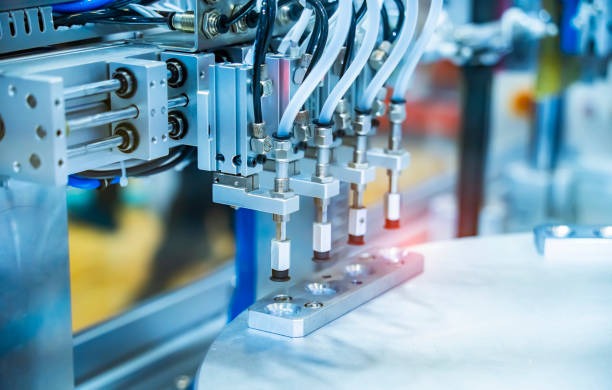
In modern factories, pneumatic systems are everywhere, quietly pushing, pulling, and hinging equipment at lightning speed. By using compressed air instead of heavy oils or fluids, these setups keep lines moving in automotive, packaging, electronics, and food industries where cost, cleanliness, and quick response count.
Companies that need reliable, low-fuss automation must know what makes pneumatics tick. Below, we break down how the system works, why it shines on the shop floor, and the high-quality parts available from Omchele that take performance to the next level.
To explore advanced pneumatic components including valves tailored for industrial automation, visit Omchele’s https://www.omchele.com/fr/pneumatic-valves/ .
What Is a Pneumatic System?
A pneumatic system turns compressed air into muscle, creating motion, clamps, or lifts wherever needed. Because it borrows from the atmosphere rather than a thick liquid, the solution stays cleaner and often friendlier to food-grade and electronics work.
The heart of a basic pneumatic setup looks like this:
- Compressor: Gobbles in outside air and squeezes it into a high-pressure reservoir.
- Air Treatment Units: An FRL trio-filter, regulator, and lubricator-cleans, steadies, and oils the air before it reaches machines.
- Valves let operators decide which way the air moves and how hard it pushes.
- Actuators turn that compressed air into straight-line pushes or spinning motions.
- Tubing and Fittings keep the air path clean so every part gets power when it needs it.
With these pieces, factories can run cylinders, grippers, conveyor belts, and pick-and-place robots. Because air is easy to find and never catches fire, pneumatics suit clean rooms and risky areas alike.
Benefits Pneumatic Systems Offer to B2B Factories
In assembly lines and mass-production hubs, compressed-air setups bring these major gains:
1. Simple and Steady
Fewer parts mean less chance to break, so technicians install, fix, and upgrade pneumatic gear faster. That keeps machines running longer and cuts headaches on the shop floor.
2. Budget Friendly
If a plant already has a main air compressor, the extra cost to power tools with compressed air stays low. Pneumatic cylinders and valves also carry a lighter sticker price than hydraulic or electric options.
3. Quick and Fast
Air snaps into motion the moment a valve opens, which is why pneumatics shine in high-speed jobs such as stamping, clamping, and sorting parts.
4. Safety and Clean Operation
Pneumatic systems run on air, so they never leak oil, hydraulic fluid, or greasy chemicals. This makes a big difference in factories that handle food, drugs, or sensitive electronics, where dirt or fire can ruin a whole batch.
5. Scalability and Modularity
Because each piece-valves, hoses, cylinders-comes as a stand-alone unit, pneumatic setups grow easily. Add a few parts or shift some around, and the system adapts without tearing into a single-station cell or a country-wide assembly line.
Omchele, a trusted provider in the industrial automation world since 1986, offers a range of pneumatic components designed for these exact needs. Their selection of valves and actuators support diverse applications with robust performance and easy integration.
Discover how Omchele’s pneumatic valves help improve automation reliability and speed.
Applications of Pneumatic Systems in B2B Sectors
Because they are clean, quick, and simple to reconfigure, pneumatic systems show up in almost every industry. Here are some of the places businesses put them to work every day.
Manufacturing and Assembly Lines
Pneumatic actuators drive robot arms, power presses, hold clamps, and flip tool changers on fast assembly lines. Their snap response and repeatable push cuts cycle time and boosts the quality of the finished product.
Packaging Industry
Pneumatic equipment keeps fast packaging lines running smoothly, whether moving bottles, folding boxes or sealing pouches. Careful valve controls guide cylinders that sort, push, or press products into place without jamming.
Automotive Sector
Clean, compressed air powers welders, inflators, hoists, and spray guns on busy assembly floors. Because pneumatic tools start and stop quickly, they help factories maintain the steady speed carmakers need.
Food and Beverage Processing
Since most pneumatic circuits use no messy oil, they fit neatly into zones where cleanliness matters most. Air-powered knives, hoppers and dispensers trim, fill and pack goods without dragging dirt into the workflow.
Logistics and Warehousing
Compressors, hoses, and pistons steer conveyors, sorting arms and lift tables in busy warehouses and e-commerce hubs. Those systems move boxes, pallets and parts faster, trimming the time inventory sits still.
Across these sectors, B2B manufacturers choose pneumatics for simple scaling, low ongoing cost and almost silent operation.
Key Components and Considerations for Pneumatic Design
Getting the most from compressed air means picking quality parts and arranging them neatly. Here are the basics to keep in mind when drawing up a new circuit:
Air Supply Quality
Dust, moisture or even rust debris kill valves and cylinders long before their time. A proper FRL package-filter, regulator and lubricator-keeps air clean, steady and ready for work.
Valve Selection
Pick the right valve types 2/2, 3/2, or 5/2 or flow and shut-off valves to guide and control your air stream. Your choice shapes how fast the system reacts and how flexible it can be later.
Cylinder and Actuator Type
For push-pull work, single-acting or double-acting cylinders provide distinct motion patterns. Make sure stroke length force rating and mount style fit the task. Rotary jobs can use rotary actuators or small pneumatic motors.
Tubing and Fittings
Match tube size and material to planned flow rate and the places the system will live. Quick-connect fittings make service and re-layout fast and tool-free when airflow needs change.
Control Logic and Integration
Verify the pneumatic circuit talks to your PLCs and sensors so it can run full automation with feedback. Modern sets often include sensors that monitor position pressure and flow in real time.
Safety Measures
Add pressure reliefs emergency shutoffs and soft-start valves to guard against trouble at startup and shutdown. Safety circuits matter especially in heavy-force areas or wherever people work beside machines.
By choosing reliable branded parts businesses cut downtime risks and stretch equipment life. Omchele meets those demands with a full line of proven pneumatic gear plus decades of hands-on industry know-how.
Maintaining and Optimizing Pneumatic Systems
When a factory runs on compressed air, every minute of downtime costs money. Luckily, even though pneumatic gear is usually sturdy, a little daily care and smart design can keep everything humming.
Regular Air Quality Checks
Start with the air itself. Make sure the compressor pushes clean, dry air through the system. Water and dirt cause rust, sticky seals, and blocked hoses, so empty drain pots daily and change filters and dryers according to the schedule.
Leak Detection and Pressure Testing
An unnoticed leak can waste as much power as an idle machine. Do routine pressure checks with an accurate gauge, and consider ultrasonic detectors for hard-to-hear hisses. Seal leaks promptly to protect efficiency and the budget.
Component Inspections
Next, look at the moving parts. Cylinders, valves, and quick-connect fittings love a dry environment, but misalignment and wear will sneak in. Tighten brackets, replace cracked seals, and grease rods or pins in line with the manufacturer’s notes.
Documentation and Standardization
Keep a cheat sheet of schematics, part numbers, and a simple log book in one folder, either paper or digital. When new staff can grab the same info, learning curves shrink, troubleshooting speeds up, and upgrades avoid headaches.
Energy Optimization
Finally, install smart pressure regulators or timers that lower the air grade during light tasks. You spend less on electricity, and hoses, seals, and motors last longer.
Take these steps, lean on a trustworthy supplier like Omchele for spares, and your pneumatic system should work quietly for many trouble-free years.
In short, pneumatic systems still sit at the heart of factory automation because they are quick, dependable, and easy to tweak. For any B2B firm, knowing how these systems are built, used, and kept running smoothly can boost output and keep production on track.
When companies choose reliable parts from names like Omchele, they set up air-powered lines that run well today and can grow tomorrow.
