
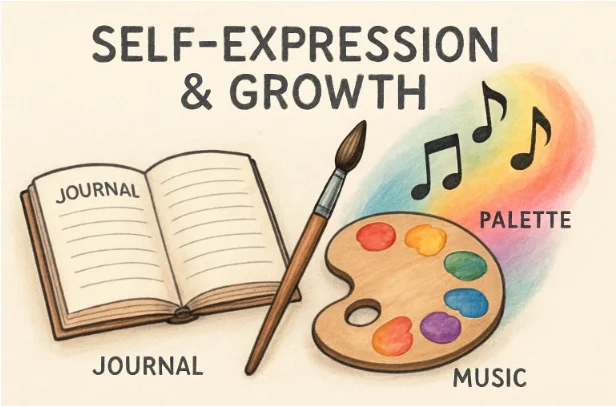
Creative expression is essential for personal growth in today’s fast-paced world. It offers a powerful lifeline, helping individuals reframe challenges as opportunities for transformation. Creative pursuits can bridge emotional gaps and provide new avenues for healing, exploration, and personal fulfillment. Engaging in creative activities, such as journaling and music-making, profoundly affects mental health, improving problem-solving, supporting emotional balance, and fostering adaptability in life’s most challenging moments. Creativity inspires joy and satisfaction, creating deeper meaning from everyday experiences. As the pressures of modern life accelerate, people are turning to creative practices for forging resilience. Activities like painting, dancing, and storytelling offer safe outlets for exploring and managing emotions, building an inner reservoir of strength that can be drawn on during adversity. Creative expression is not about talent or perfection, but about embracing the process of discovery and connection. Even brief daily moments of creativity can reset mindsets, offering clarity, stress relief, and fresh perspectives.
The Science of Art and Healing
Over the past decade, research has highlighted the positive effects of art on well-being. Participating in arts like visual art, music, or writing reduces stress, boosts mood, and helps cope with emotional challenges. A study by the American Psychological Association found that engaging in creative activities improves overall well-being and resilience. Art therapy in hospitals and mental health centers helps process trauma, grieve, and develop self-awareness, offering benefits beyond words. In some cases, creative expression can even serve as the final link in speech therapy, helping individuals bridge gaps in communication and emotional healing. School programs use creative projects to promote emotional literacy and academic success. Integrating arts into wellness shows that healing involves emotional and psychological growth, not just physical recovery.
Stories of Personal Growth Through Art
Personal stories animate the statistics on art and healing. Examples include people with chronic illnesses who use music or journaling to express pain, hope, and determination. Joining a choir or trying a craft often leads to new friendships and belonging, counteracting isolation. Creative activities help process emotions and foster acceptance during loss or transition.
These stories show that you don’t need to be a professional artist to benefit; the real change happens when you engage with art to reflect, communicate, and build resilience.
Creative Practices for Wellness
Journaling, storytelling, music, and visual arts are simple, restorative practices that can help build emotional awareness, process complex feelings, and reduce anxiety. These practices are accessible at home with minimal materials and can be practiced for a few minutes each day, fostering a more hopeful outlook and fostering connections.
Overcoming Barriers to Expression
Many people hesitate to engage creatively, believing they lack talent or time. However, psychologists emphasize that creating—not the outcome—offers the most significant benefits. Letting go of perfectionism and focusing on the joy of expression is key. Busy schedules can be managed with micro-practices, like doodling for five minutes or quickly texting a haiku to a friend.
Finding Inspiration and Community
Community amplifies creativity. Participating in local art classes, joining a creative writing group, or exploring online forums can introduce new perspectives and powerful encouragement. Many libraries, museums, and community organizations offer free opportunities to meet fellow creatives. Collective art initiatives promote individual resilience and foster social connection, empathy, and community well-being.
Embracing Creativity as a Way of Life
Creativity is more than a hobby—it’s essential for resilience, healing, and connection. Through journaling, music, or community art, creating helps process emotions, manage stress, and gain new perspectives. Research and stories confirm creativity boosts mental health and deepens social bonds. By letting go of perfectionism and embracing small, consistent expression, anyone can gain these benefits. Ultimately, integrating creativity into daily routines turns challenges into opportunities, making life more meaningful and balanced.
