
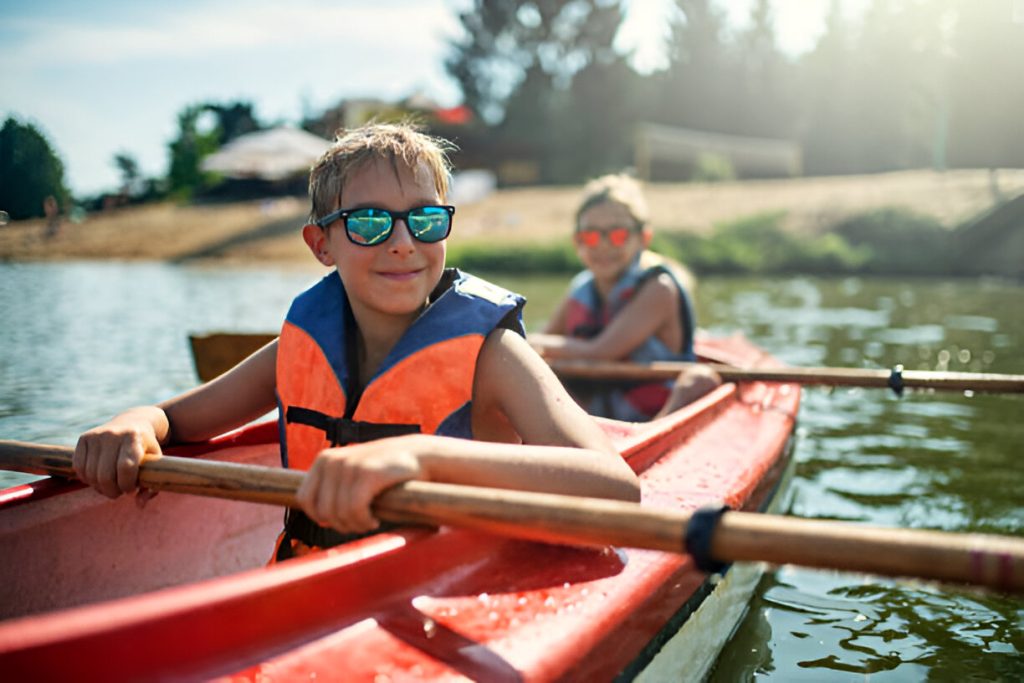
Keeping children entertained outdoors while ensuring their safety can feel like a constant balancing act for parents. The good news? You don’t have to choose between adventure and security. With the right activities and precautions, kids can experience the thrill of outdoor exploration while staying protected from harm.
Modern children spend an average of seven hours daily on screens, making outdoor time more crucial than ever for their physical and mental development. Yet many parents worry about safety risks, from playground injuries to weather-related concerns. The solution lies in choosing activities that naturally balance excitement with built-in safety measures.
Nature-Based Adventures with Built-In Safety
Guided Nature Walks and Scavenger Hunts
Transform a simple walk into an engaging adventure by creating themed scavenger hunts. Kids can search for specific leaves, rocks, or wildlife while staying on marked trails. This activity encourages observation skills and keeps children naturally contained within safe boundaries.
Always carry a basic first-aid kit and ensure children wear bright colors for visibility. Choose well-maintained trails with clear markers, and establish buddy systems for older kids who want more independence.
Water Play with Controlled Environments
Splash pads, shallow creeks, and supervised beach areas offer water fun without deep-water dangers. These environments allow children to cool off and play while parents maintain visual contact and control.
Before any water activity, establish clear boundaries about how far children can venture. Even in shallow water, active supervision remains essential. Consider water shoes to protect against slippery surfaces or sharp objects.
Adventure Activities with Professional Oversight
Organized Sports and Camps
Youth sports leagues and day camps provide structured outdoor time with trained supervision. These programs often include safety protocols, proper equipment, and age-appropriate challenges that keep kids engaged without overwhelming them.
Research programs that prioritize safety training for staff and maintain low counselor-to-child ratios. Look for certifications in CPR and first aid among supervisors.
Unique Seasonal Experiences
Winter destinations offer special opportunities for safe outdoor thrills. Activities like dog sled rides in Park City provide unforgettable experiences with professional guides who prioritize safety. These guided adventures introduce children to new environments while ensuring proper equipment and supervision.
When considering specialized activities, verify that operators have strong safety records and age-appropriate programs. Professional guides bring expertise that allows families to enjoy activities safely that might be risky to attempt independently.
Backyard and Local Park Activities
Creative Playground Alternatives
Standard playgrounds remain popular, but parents can enhance safety by choosing equipment appropriate for their child’s age and skill level. Encourage children to use equipment as intended and establish rules about taking turns and sharing space.
Consider visiting playgrounds during less crowded times to reduce collision risks and allow for closer supervision. Regularly inspect equipment for damage or hazards before children play.
Garden-Based Learning
Creating a small garden or participating in community gardening projects combines outdoor time with educational opportunities. Children learn responsibility while developing connections to nature in a controlled environment.
Choose child-safe plants and tools sized appropriately for small hands. Teach proper tool handling and establish garden rules about which areas are off-limits.
Weather Considerations and Seasonal Adaptations
Hot Weather Precautions
Summer activities require extra attention to hydration and sun protection. Schedule outdoor time during cooler morning or evening hours, and always provide shade options. Lightweight, long-sleeved clothing can offer better sun protection than sunscreen alone for extended outdoor periods.
Watch for signs of overheating, including excessive fatigue, flushed skin, or complaints of dizziness. Have children take regular water breaks even if they don’t feel thirsty.
Cold Weather Safety
Winter outdoor play builds resilience and prevents cabin fever, but requires proper clothing and time limits. Layer clothing to allow for temperature regulation, and ensure extremities stay warm and dry.
Establish indoor warm-up periods during extended cold-weather play. Teach children to recognize early signs of cold-related discomfort and encourage them to speak up when they feel too cold.
Technology Integration for Added Safety
GPS Tracking and Communication
For older children who desire more independence, GPS watches or family tracking apps provide peace of mind without constant hovering. These tools allow parents to maintain awareness of their child’s location during activities like neighborhood bike rides or visits to large parks.
Establish clear check-in protocols and geographic boundaries when using tracking technology. These tools supplement, rather than replace, traditional safety measures and communication.
Building Confidence Through Safe Challenges
The goal of safe outdoor activities extends beyond injury prevention. Children need opportunities to assess risks, make decisions, and build confidence through manageable challenges. Activities that offer graduated difficulty levels help children develop judgment skills while maintaining safety margins.
Start with simpler versions of activities and gradually increase complexity as children demonstrate competence. This approach builds both skills and confidence while maintaining safety as the top priority.
Creating Lasting Outdoor Memories
Safe outdoor fun creates positive associations with physical activity and nature that can last a lifetime. Children who experience well-supervised outdoor adventures develop confidence in their physical abilities and appreciation for natural environments.
The key lies in preparation, appropriate supervision, and choosing activities that match your child’s developmental stage. With thoughtful planning, outdoor time can provide the perfect combination of safety, learning, and pure enjoyment that creates treasured family memories while fostering healthy, active lifestyles.
