
Key Takeaways
- Eye health is essential for overall well-being and quality of life.
- Daily habits, good nutrition, and UV protection can help preserve vision.
- Recognizing signs of eye strain or vision problems allows for timely care.
- Modern routines, such as screen time management, matter just as much as classic eye care tips.
- Regular check-ups support the early detection of common eye conditions.
Why Eye Health Matters
Good vision is one of our most valuable senses, central to daily functioning, safety, and independence. From driving and reading to engaging with loved ones and enjoying hobbies, the quality of our eyesight shapes our overall life experience. Focusing on eye health early helps ensure that you can enjoy a vibrant and active lifestyle for years to come. Kansas Family Optometry emphasizes the importance of regular eye check-ups to maintain your eye health. According to the World Health Organization, over 2 billion people worldwide have vision impairment or are blind. Most issues are preventable or manageable with proper care and awareness. Small routine adjustments can significantly impact your vision. For expert advice and personalized care, CDC’s eye care basics provides resources and services to protect your vision at any age.
Building Good Eye Care Habits
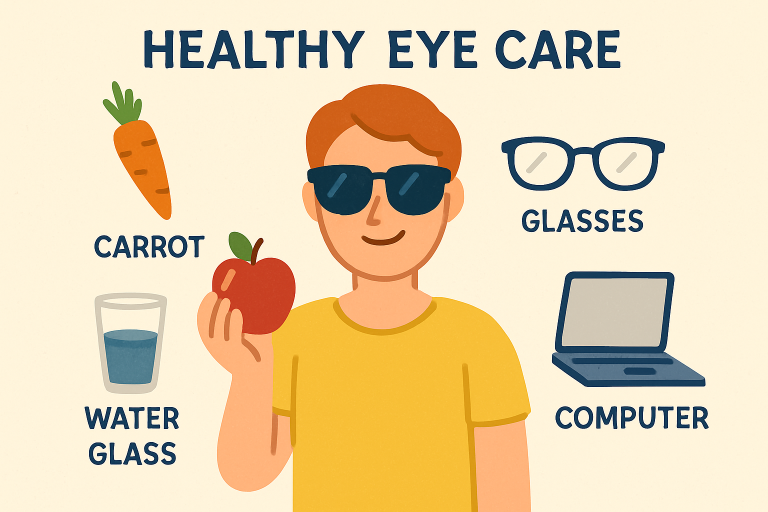
Eye health begins with simple routines. Avoid rubbing your eyes to prevent bacteria or irritants. Wash your hands before touching your face, especially with contact lenses. Stay hydrated to keep eyes moist. Blink frequently to spread tears. Take breaks during tasks like reading, sewing, or looking at screens. Follow the 20-20-20 rule: every 20 minutes, view something 20 feet away for 20 seconds. These tips from the NIH promote healthy eyes.
Nutrition’s Role in Healthy Vision
Your diet is crucial for eye health, helping prevent age-related issues. Nutrients like vitamin A, C, E, lutein, and omega-3s protect eyes from damage and support function. Foods such as carrots, leafy greens, citrus fruits, nuts, and fish are excellent choices. The CDC notes that a nutrient-rich diet reduces the risk of cataracts and macular degeneration. Even with glasses, a healthy diet can enhance eye comfort and function.
Protecting Eyes in the Digital Age
Digital screens are an integral part of daily life. Still, prolonged use can lead to digital eye strain, also known as computer vision syndrome, characterized by symptoms such as dryness, irritation, headaches, and blurry vision. Blue light contributes, but poor lighting and desk setup also play a role. Protect your eyes by ensuring good lighting and an ergonomic monitor position. Adjust screen brightness and text size to reduce squinting, and adopt regular breaks to allow your eyes to rest. According to the American Academy of Ophthalmology, while blue light-blocking glasses are popular, traditional strategies like frequent breaks and adjusting displays remain most effective for comfort and eye health.
UV Protection: Not Just for Summer
Harmful ultraviolet (UV) rays from the sun are present year-round and can damage delicate eye tissues, increasing the risk of cataracts, macular degeneration, and even certain eye cancers. Protecting your eyes from UV light should be a daily habit, no matter the season or the weather.
Choose sunglasses that block 100% of UVA and UVB rays to safeguard your eyes against sun damage. Wide-brimmed hats and seeking shade during peak sun hours provide additional protection for both your eyes and the sensitive skin around them.
Spotting Signs of Eye Problems Early
Early detection of vision changes or eye discomfort is essential for preventing more serious problems. Watch for common warning signs such as redness, persistent dryness, blurred vision, floating spots, or double vision. Sudden or severe changes in your vision require immediate attention.
If you notice any of these symptoms, don’t wait prompt assessment from an eye care specialist can make the difference between temporary discomfort and lasting eye damage. Early intervention is crucial for preserving your vision and overall eye health.
The Value of Regular Eye Exams
Even if your eyesight seems perfect, comprehensive eye exams are critical for maintaining long-term eye health. Many conditions, including glaucoma and diabetic retinopathy, develop gradually and may not cause noticeable symptoms until they’ve already caused damage.
Adults should have a baseline comprehensive eye exam at least once in their 20s and 30s, with more frequent visits as they age or if they have risk factors such as diabetes or a family history of eye disease. Children also need regular check-ups, starting before school age. During an eye exam, expect a review of medical history, vision testing, and a thorough evaluation of the eye’s overall health.
