
Moving to a new home or office can be an exhilarating yet daunting task. Amidst the excitement of a fresh start, the logistics involved can become overwhelming. Self storage units offer a convenient solution to ease the burden of relocation by providing a secure space to store your belongings during transition. Whether you need a temporary spot to keep your items or a longer-term solution due to downsizing or timing, self-storage can be a lifesaver. Keep reading to discover how self-storage can streamline your move and provide peace of mind.
Understanding the Role of Self-Storage During Relocation
The moving process often involves a period where your belongings must be out of your old space but cannot yet move into your new one. This is where self-storage facilities come into play. By providing a temporary home for your items, you can avoid the chaos of living amongst boxes or cluttering your living space with stacks of belongings. Self-storage can also provide a secure environment for valuable or sensitive items that you might not want to leave in an unattended home or with a moving company.
When selling a home, decluttering can be vital to staging and presenting the space in the best light possible. Self-storage units allow sellers to store excess furniture and personal items out of sight, which can help potential buyers envision themselves in the home. For renters or homeowners in between leases or closing dates, self-storage provides a flexible option to safeguard possessions until they’re ready to settle into the new space.
Choosing the right self-storage facility is crucial. Proximity to your new home, security features, access hours, and costs are all important factors to consider. Many people find the assistance they need through self-storage units, which provide a broad range of options to suit different needs and circumstances.
Timing and Logistics: When to Consider a Self-Storage Unit in Your Moving Timeline
The timing of obtaining a self-storage unit can be as crucial as the move itself. Ideally, you should secure your storage space before the moving chaos sets in. This allows you to gradually move items into storage if necessary, distributing the workload over a more extended period and reducing stress on moving day.
Consider renting your storage unit a few weeks to a month before your move. This gives you ample time to transport seasonal items, rarely used belongings, or anything you want to keep out of the way while you pack the rest of your home. It also provides a buffer in case there are any delays in your moving timeline, such as a postponed closing date or construction in your new home.
Protecting Your Belongings: The Benefits of Climate-Controlled Storage During Transitions
When selecting a self-storage option, the protection of your belongings is paramount. Climate-controlled units, which maintain a consistent temperature and humidity level, can be particularly important depending on what you are storing. These units are designed to protect sensitive items such as electronics, musical instruments, artwork, and antiques from extreme temperatures and fluctuations in humidity.
In locations with severe weather changes, climate-controlled storage is worth considering to prevent warping, cracking, or degradation of your possessions. Beyond the physical preservation of your items, climate control can also prevent mold, mildew, and pests, which are more likely to become problematic in standard, non-climate-controlled environments.
Self-Storage Strategies: Packing and Organization Tips for Movers
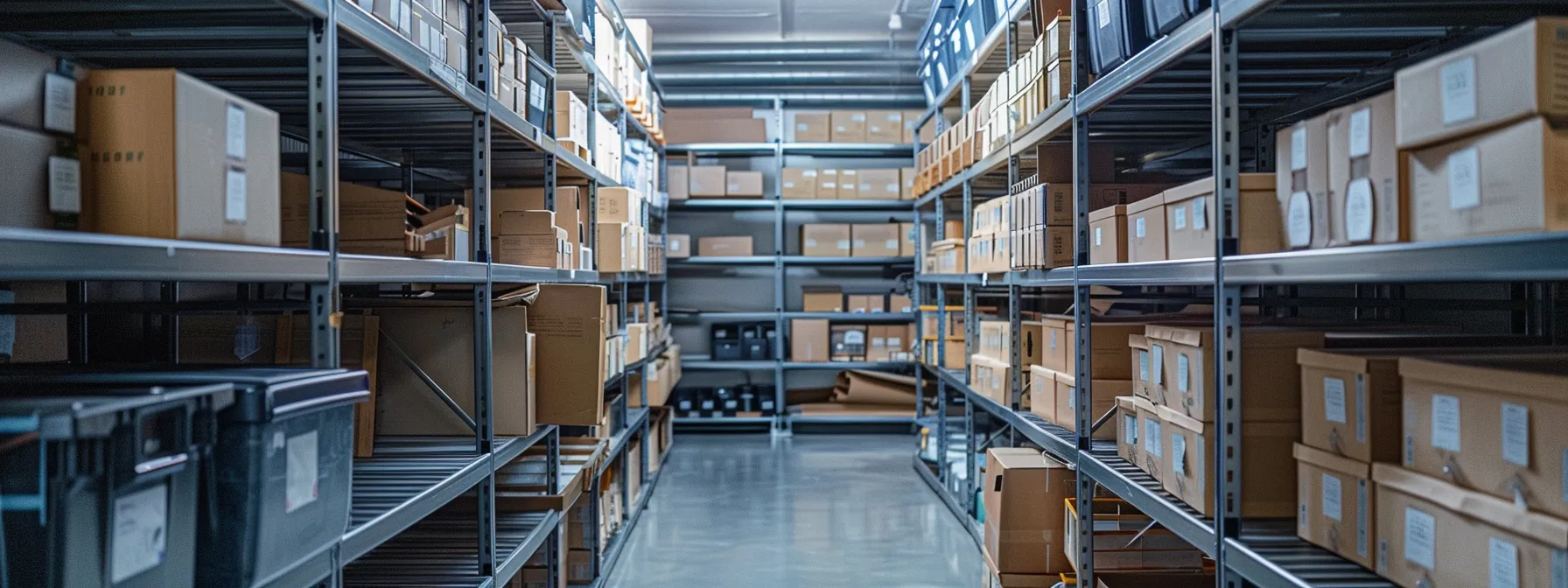
Moving and self-storage go hand-in-hand, but simply tossing your items into a unit can lead to frustration and damage. A strategy for packing and organizing your storage space can maximize efficiency and accessibility. Begin by packing items in sturdy boxes of uniform size, if possible, to make stacking easier and more stable. Label each box clearly, noting the contents as well as whether the items are fragile or heavy.
When arranging items within your unit, consider the frequency of use. Place items you may need to access often at the front of the unit for easy retrieval. Create a walkway down the center of the unit to allow access to items towards the back. Utilizing shelving units within the storage space can help keep things organized, elevate your belongings off the floor, and make better use of the vertical space.
Overall, the use of self-storage can dramatically simplify the moving experience. By understanding how to select the right unit, organize it efficiently, and protect your belongings, you can focus on settling into your new space with less worry. Self-storage isn’t just a space—it’s a strategic asset in the transition to your new home or office.
