
Table of Contents
1. Introduction to Satellite TV
2. How Satellite TV Works
3. Types of Satellite TV Systems
4. Key Components of a Satellite TV System
5. Choosing the Right Satellite TV Provider
6. Installation and Setup Process
7. Troubleshooting Common Issues
8. Advantages and Disadvantages of Satellite TV
9. Future Trends in Satellite Television
10. Conclusion
Introduction to Satellite TV
In today’s digital age, entertainment options abound, but satellite television remains a popular choice for many households. With its ability to provide high-definition programming, a wide range of channels, and reliable service in remote areas, satellite TV offers a unique viewing experience that cable and streaming services often cannot match. This guide aims to explore the ins and outs of satellite television systems, helping you navigate the complexities of getting connected.
How Satellite TV Works
Satellite television operates by transmitting signals from satellites orbiting the Earth directly to a receiver installed in your home. The process involves several key steps:
1. Signal Transmission: A satellite service provider sends programming signals from a broadcast center to satellites positioned approximately 22,000 miles above the Earth.
2. Signal Reception: The satellite dish installed at your home picks up these signals.
3. Decoding: The signals are sent to a receiver that decodes them into audio and visual formats.
This technology allows for the transmission of both standard and high-definition channels, providing viewers with an array of content options.
Types of Satellite TV Systems
There are primarily two types of satellite television systems:
1. Direct Broadcast Satellite (DBS): This is the most common type used in homes today. DBS systems provide a wide selection of channels directly from satellites, making them highly popular for residential use.
2. Multi-Channel Video Programming Distributor (MVPD): MVPDs serve multiple customers through various transmission methods, including cable and satellite combinations.
Each type has its advantages and is suited for different needs depending on location, service availability, and personal viewing preferences.
Key Components of a Satellite TV System
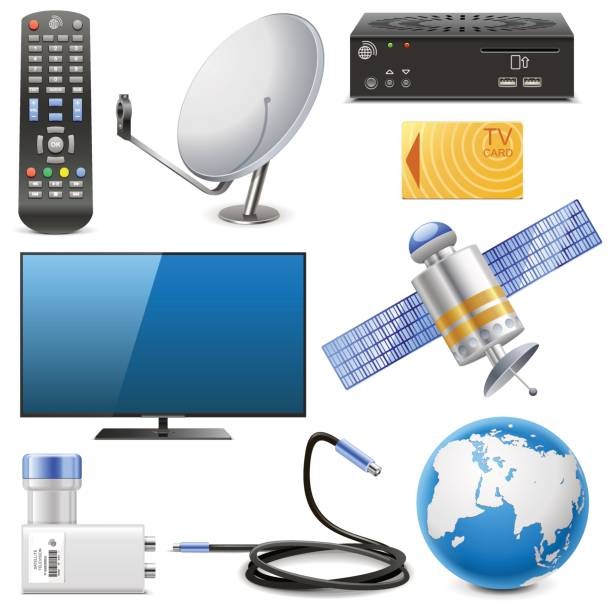
To set up a satellite television system, you will need several essential components:
1. Satellite Dish: This is the large dish typically mounted on your roof or balcony that captures signals from satellites.
2. Receiver/Set-Top Box: This device converts satellite signals into a format that your television can display.
3. Cables: Various cables connect the dish to the receiver and then to your television.
4. LNB (Low Noise Block Downconverter): Attached to the dish, this component amplifies and converts the signal received from the satellite.
Understanding these components will help you troubleshoot issues and ensure an effective installation process.
Choosing the Right Satellite TV Provider
Selecting a satellite TV provider is crucial to maximize your viewing experience. Consider these factors when choosing your provider:
1. Channel Selection: Different providers offer varying channel packages. Research which provider offers channels that match your interests.
2. Pricing: Compare costs between different providers, including introductory offers versus long-term pricing.
3. Customer Service: Check reviews about customer support responsiveness and reliability since issues may arise during installation or service usage.
4. Equipment Quality: Evaluate the quality of receivers and other equipment provided by each company.
Aerial Force is known for its expertise in helping customers select the right satellite providers based on their specific needs.
Installation and Setup Process
The installation process for satellite television can be straightforward if done correctly:
1. Site Survey: A professional installer will conduct a site survey to determine the best location for your satellite dish.
2. Dish Installation: The installer mounts the dish securely to ensure it has a clear line of sight to the satellites in orbit.
3. Connecting Equipment: The dish is connected to your receiver using appropriate cabling.
4. Configuration: The receiver is set up, including programming your favorite channels and configuring settings based on your preferences.
Having professionals from companies like Aerial Force handle installation ensures that everything is set up according to industry standards for optimal performance.
Troubleshooting Common Issues
Even after successful installation, issues can arise with satellite television systems. Here are some common problems and their solutions:
1. Signal Loss: This can occur due to obstructions like trees or buildings blocking the dish’s line of sight. Adjusting or relocating the dish may resolve the issue.
2. Picture Freezing or Pixelation: This may be caused by weather conditions affecting signal reception or issues with the receiver itself. Restarting the receiver or checking connections can help.
3. No Signal Received: If you encounter this issue, check all connections and ensure that there are no obstructions around the dish.
Understanding these common problems will prepare you for potential challenges in maintaining your satellite service.
Advantages and Disadvantages of Satellite TV
Like any technology, satellite television comes with its pros and cons:
Advantages
1. Wide Range of Channels: Satellite providers often offer more channels than traditional cable services.
2. High Definition Quality: Many services provide high-definition programming that enhances viewing experiences.
3. Availability in Remote Areas: Satellite television can reach rural locations where cable services may not be available.
Disadvantages
1. Weather Sensitivity: Heavy rain or snow can affect signal quality.
2. Installation Challenges: Proper installation is crucial; otherwise, users may experience connectivity issues.
3. Equipment Costs: Initial setup costs can be higher than other forms of television service due to equipment purchases.
Understanding these factors can help you make an informed choice about whether satellite TV suits your lifestyle and preferences.
Future Trends in Satellite Television
As technology evolves, so does satellite television:
1. Increased HD Offerings: As consumer demand grows for high-definition content, providers are likely investing more in HD channel availability.
2. Integration with Streaming Services: Providers are beginning to integrate streaming apps into their receivers, allowing users access to both live television and on-demand content seamlessly.
3. Enhanced Technology: Advancements in satellite technology promise improved signal reliability and expanded channel offerings over time.
Keeping abreast of these trends will prepare you for what is next in satellite television innovation.
Aerial Force remains at the forefront of these developments, ensuring customers receive up-to-date services that cater to evolving demands in entertainment consumption.
In summary, understanding how satellite television systems operate—from installation to troubleshooting—can significantly enhance your viewing experience while allowing you to choose the right provider tailored to your needs. As we move forward into an era where entertainment options continue evolving rapidly, being informed empowers consumers in making smart choices about their entertainment systems that last well into the future.
