
Key Takeaways
- Whistleblowers are vital for uncovering wrongdoing and promoting ethical practices.
- Legal protections exist to shield whistleblowers from retaliation.
- Recent legislative efforts aim to strengthen these protections, especially in emerging fields like artificial intelligence.
- Understanding the rights and resources available is crucial for potential whistleblowers.
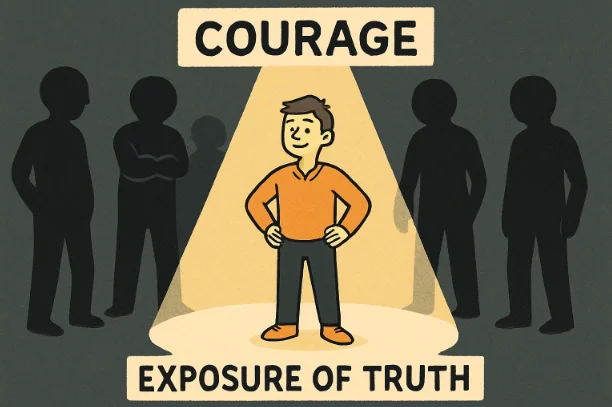
Whistleblowers play an essential role in maintaining honesty and transparency in the workplace, government agencies, and across various industries. By speaking out about unethical or illegal conduct, they keep organizations accountable and often prevent harm to the public. However, this act of courage is not without significant challenges, which is why it is essential to understand your options, including consulting with a whistleblower lawyer to understand your rights and next steps.
The process of whistleblowing can be complicated by fear of retaliation, backlash from peers, or professional harm. Yet, strong legal protections and resources exist to help those considering coming forward. Without these protections, fewer individuals would be willing to step up, increasing the risk that fraud or abuse continues unchecked.
Frequently, whistleblowers are motivated by a sense of duty to the public or the desire to stop waste, abuse, or criminal activity. Their actions can have far-reaching impacts, from prompting organizational reforms to leading to sweeping legislative action that benefits far more people than they initially imagined.
The courage of whistleblowers has been instrumental in high-profile exposures, such as revealing major financial frauds and bringing unsafe working conditions to light. These disclosures demonstrate the high stakes and underscore the necessity of legal and emotional support for those who are considering this difficult path.
The Importance of Whistleblowers
Whistleblowers often provide the first indication of significant issues within organizations that might otherwise remain hidden from public view or from internal leadership. In technology companies, individuals have unveiled critical lapses in data privacy, sending ripples through the industry and sparking legislative interest in data and consumer protection. Similar scenarios have emerged in healthcare, government, and manufacturing, making whistleblowers indispensable to ethical progress.
According to reports by major publications such as The New York Times, whistleblowers not only promote transparency but also drive the creation of new policies and reinforce existing regulations. Their voices have led to major significantements, improved safety standards, and investigations by regulatory bodies that otherwise may not have been initiated.
Legal Protections for Whistleblowers
Over the years, various legislative measures have been instituted to protect whistleblowers. In the United States, the Whistleblower Protection Act (WPA) offers safeguards to federal employees who report misconduct. At the same time, the Dodd-Frank Wall Street Reform and Consumer Protection Act extends protections to financial-sector employees, including incentives for reporting securities violations.
These laws aim to protect employees from demotion, dismissal, harassment, or discrimination after they make disclosures. Additional statutes support individuals in public health, transportation, and other regulated sectors. Consulting a legal expert on whistleblowing is recommended, as specific laws and procedural requirements vary by context and jurisdiction.
Recent Legislative Developments
As technologies advance and industries evolve, lawmakers continue to identify gaps in existing protections. One notable initiative is the AI Whistleblower Protection Act, which seeks to safeguard those raising concerns in artificial intelligence environments. This Act was prompted by unique risks facing workers tied to broad nondisclosure obligations, which have often been used to stifle legitimate safety or ethics concerns. Details on this new legislation can be found on official government sites such as the Senate Judiciary Committee’s press releases.
These efforts reflect a growing awareness in Congress and state legislatures that a one-size-fits-all approach to whistleblower protection is no longer sufficient. As industries adapt to new risks, so too must the laws that protect those who speak up.
Challenges Faced by Whistleblowers
Even with strong legal protections, whistleblowers often face significant personal and professional consequences. Retaliation by employers remains one of the biggest obstacles. This retaliation can manifest as wrongful termination, demotion, harassment, or blocklisting of future job opportunities within an industry.
- Retaliation from employers, such as termination or demotion
- Legal battles to defend their disclosures
- Emotional and psychological stress
The emotional and psychological toll should not be underestimated. Many whistleblowers face isolation, reputational damage, or drawn-out legal battles. For more insights into the difficulties whistleblowers face and the need for broader reforms, see coverage from reputable outlets like NPR.
Resources and Support for Whistleblowers
Recognizing the potential hardships faced by whistleblowers, several nonprofit organizations and advocacy groups provide legal, financial, and emotional support. The National Whistleblower Center, for example, connects individuals with attorneys, counseling, and peer networks. These resources are invaluable for anyone considering the risks and rewards of coming forward.
There are also hotlines and online portals managed by federal agencies that allow for secure, confidential reporting. By using these avenues, potential whistleblowers can enhance their safety and ensure the appropriate authorities review their concerns. Support organizations can also assist individuals navigating the complex web of state, federal, and sector-specific whistleblower laws, helping to reduce confusion and uncertainty during a stressful process.
Steps to Take When Considering Whistleblowing
If you are thinking about reporting wrongdoing, it is crucial to take calculated steps to protect yourself and the integrity of your information. Understanding your legal rights is the first step. Consulting with a lawyer who specializes in whistleblower cases helps ensure your actions are protected under applicable laws.
- Understand your rights under relevant whistleblower protection laws.
- Document all evidence meticulously and store your information securely.
- Consult with a legal expert specializing in whistleblower cases to clarify your protections and next steps.
- Utilize internal reporting mechanisms if available and appropriate, unless there is a clear apparent conflict of interest.
- Seek out advocacy and support organizations to help guide you through the process and access peer support.
Conclusion
Whistleblowers shine a vital light on misbehavior that can harm individuals, organizations, or society. Despite facing professional and personal risk, they drive organizational reforms and influence systemic change. While the decision to become a whistleblower requires significant courage, knowing that laws and organizations are ready to protect and assist increases the likelihood that essential information will come to light. Continued legislative improvements and broad-based societal support are crucial for fostering a culture in which whistleblowers are respected and wrongdoing is promptly addressed.
