
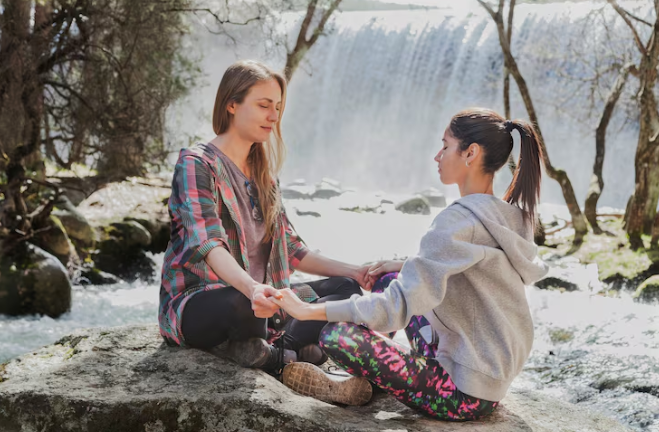
End-of-life care is one of the most sensitive and personal journeys an individual and their family can experience. Adopting holistic approaches at this stage can profoundly enhance comfort and dignity by looking beyond medical symptoms and fostering emotional, spiritual, and social well-being. The commitment to hospice care grounded in holistic principles is transforming how we think about compassionate support at the end of life.
Holistic end-of-life strategies do not replace tried-and-true medical care. Instead, they offer a multi-dimensional approach that includes pain and symptom management, emotional connection, spiritual fulfillment, and supportive presence. Nurses, social workers, counselors, chaplains, and volunteers cooperate to ensure patients’ goals and wishes are at the center of their care experience.
Embracing holistic care can help alleviate feelings of isolation and distress that often arise during terminal illness, resulting in more peaceful and meaningful moments. By expanding support to families as well as patients, these approaches ensure that grief, fear, and uncertainty are met with deep empathy and knowledgeable guidance at every step.
Integrative therapies, community support, well-trained caregivers, and novel interventions like psychedelic-assisted therapy highlight the dynamic field of holistic palliative care. Innovations continue to emerge, and evidence from leading health institutions, such as Mayo Clinic, suggests that a broad-based approach is associated with higher satisfaction and improved outcomes for patients and loved ones.
Table of Contents
- Understanding Holistic End-of-Life Care
- Integrative Therapies in Palliative Care
- The Role of End-of-Life Doulas
- Psychedelic-Assisted Therapy for Terminally Ill Patients
- Spiritual Care in Hospice Settings
- Community-Based Support Systems
- Training and Education for Holistic Care Providers
- Conclusion
Understanding Holistic End-of-Life Care
Holistic end-of-life care is rooted in recognizing the person as a whole rather than merely focusing on disease management. This philosophy seeks to combine physical relief, emotional support, spiritual nourishment, and social engagement. By treating these interconnected needs, holistic care helps patients achieve greater peace and dignity during their final phase of life. Families are also encouraged to take an active role in both care planning and daily support, strengthening bonds and honoring the patient’s values and wishes.
Integrative Therapies in Palliative Care
Integrative therapies, such as Reiki, aromatherapy, massage, and music therapy, are increasingly being offered as part of comprehensive palliative and hospice services. For example, organizations like Cornerstone VNA have successfully introduced Reiki and essential oil therapies to alleviate anxiety and increase patient comfort during hospice care. This approach builds on traditional medical care by reducing pain, promoting relaxation, and supporting emotional resilience. A growing body of peer-reviewed research demonstrates the value of combining these therapies with conventional medical interventions.
The Role of End-of-Life Doulas
End-of-life doulas are trained companions who provide non-medical, deeply personal support to individuals and their loved ones as they navigate the dying process. Programs like Central Oregon’s Partners In Care’s volunteer doula initiative offer emotional presence, comfort, and companionship during an often challenging journey. Doulas assist with advanced care planning, facilitate legacy projects (such as recording memories or writing letters), and act as calming presences in the final days and hours. Their involvement can reduce fear and anxiety and create a more meaningful, respectful atmosphere for everyone involved.
Psychedelic-Assisted Therapy for Terminally Ill Patients
Psychedelic-assisted therapy is an emerging option that has shown promise in alleviating existential distress, anxiety, and depression suffered by terminally ill patients. Foundations such as Healing Hearts and Changing Minds have begun funding research on this innovative care approach, seeking new ways to bring relief and clarity to those facing death. Early trials of compounds like psilocybin and MDMA indicate potential for profound psychological and spiritual healing. As this area of care is rapidly evolving, future research will determine the safest and most effective protocols while ensuring ethical standards.
Spiritual Care in Hospice Settings
Spiritual care remains a cornerstone of holistic end-of-life services. Organizations such as the Institute for Spirituality and Health have broadened our understanding of how meaning-making, forgiveness, and connection with faith traditions help patients and families find peace. Spiritual counselors and chaplains play vital roles in exploring spiritual questions, addressing unresolved issues, and offering rituals or practices that offer hope and tranquility, regardless of one’s beliefs.
Community-Based Support Systems
Community organizations are invaluable partners in holistic end-of-life care. Programs like the Michigan Deathcare Collaborative create resources, educational programming, and support networks for patients and their families. Community-based models offer practical assistance, facilitate peer support groups, and help foster an environment where people feel safe and understood while making difficult decisions. These initiatives significantly reduce feelings of isolation and promote a sense of belonging even in life’s most vulnerable moments.
Training and Education for Holistic Care Providers
Education and training are essential for high-quality, holistic care. Institutions such as St. Christopher’s Hospice in London deliver pioneering educational programs that emphasize comprehensive assessment, communication skills, cultural sensitivity, and interdisciplinary teamwork. By keeping pace with advances in medicine and therapy, professionals can better meet the emotional, physical, and spiritual needs of patients from all walks of life. This commitment to ongoing learning is transforming standards in the hospice and palliative workforce.
Conclusion
Holistic approaches to end-of-life care respect and enhance the dignity of every individual. By thoughtfully integrating physical, emotional, spiritual, and community resources, caregivers provide relief and meaning where it is most needed. As innovations continue to shape palliative care, a holistic mindset ensures that each patient’s unique journey is honored with empathy, skill, and respect.
