
Key Takeaways:
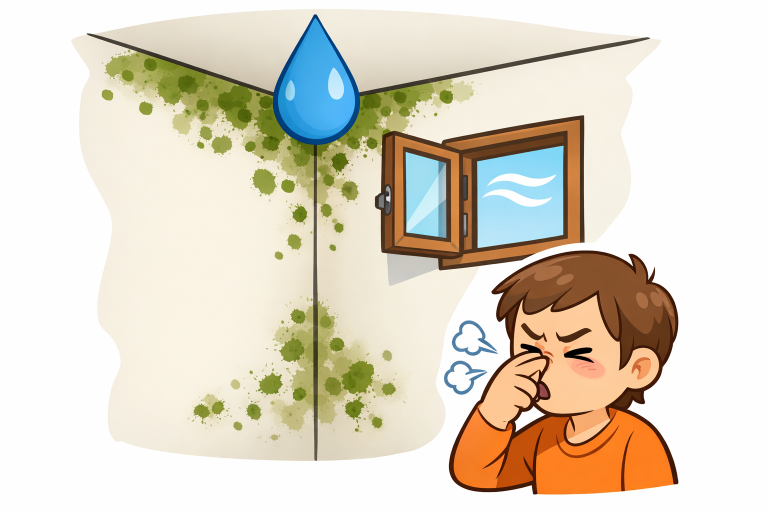
- Mold thrives in damp, poorly ventilated areas, posing significant health and structural risks.
- Common signs of mold include musty odors, visible discoloration, and respiratory issues among occupants.
- Preventative measures such as proper ventilation, moisture control, and regular inspections are crucial.
- Professional remediation may be necessary for extensive mold infestations.
Table of Contents:
- Understanding Mold and Its Growth
- Health Risks Associated with Mold
- Structural Damage Caused by Mold
- Common Areas Prone to Mold in Homes
- Preventative Measures to Combat Mold
- Steps to Take Upon Discovering Mold
- When to Seek Professional Help
- Conclusion
Understanding Mold and Its Growth
Mold is a type of fungus that spreads by releasing tiny spores that are present both indoors and outdoors. These spores can easily enter your home through windows, doors, or by attaching themselves to clothing and pets. Once inside, mold seeks out areas with high moisture. In these damp, warm, and poorly ventilated environments, mold spores can quickly form colonies on different surfaces such as drywall, carpet, wood, and tile.
The key to preventing mold growth is controlling moisture levels in your home. Even small leaks or persistent humidity can provide the ideal conditions for a mold problem to begin. Early identification is critical for stopping mold before it becomes a more serious issue that requires professional help, like Frontier Restoration mold remediation.
Mold often remains hidden. It can start behind walls or beneath flooring, becoming visible only after it has already begun to spread. In addition to noticing visible signs of growth, homeowners should pay attention to musty odors, which often indicate hidden mold activity. Those musty smells are caused by microbial volatile organic compounds released as mold breaks down materials.
Understanding the lifecycle of mold and what it needs to grow is the first step to crafting an effective prevention and mitigation plan. Quick responses to leaks or signs of water intrusion can help significantly reduce the chances of extensive damage.
Health Risks Associated with Mold
Mold is not just a cosmetic issue. It poses health risks, especially for individuals with allergies, asthma, or compromised immune systems. Common symptoms of mold exposure include nasal stuffiness, throat irritation, coughing, wheezing, skin irritation, and eye discomfort. For some people, especially those with asthma or severe allergies, exposure can trigger more serious reactions, requiring medical attention.
Prolonged or repeated exposure to mold can even lead to chronic lung diseases. According to the Centers for Disease Control and Prevention (CDC), people who are sensitive to molds might develop respiratory infections or exacerbated symptoms of existing pulmonary conditions. As such, those living in mold-prone homes should seek medical advice if persistent symptoms emerge.
Children, elderly individuals, and those with pre-existing respiratory issues are particularly vulnerable and may experience more intense symptoms even with low levels of exposure. Given these risks, swift mold remediation and prevention are critical components of a healthy living environment.
Structural Damage Caused by Mold
Mold deteriorates organic building materials as it feeds on cellulose found in wood, drywall, and some types of insulation. Over time, this can compromise the structural integrity of the affected areas, sometimes requiring costly repairs to restore home safety. If ignored, mold can even render parts of a house uninhabitable by destroying supporting wooden beams and other structural components.
An unchecked infestation can result in drywall crumbling, wood rot, peeling paint, and persistent discoloration throughout your home. These issues are not just unsightly but can decrease your home’s value significantly.
Common Areas Prone to Mold in Homes
Mold growth is most common in spaces where moisture builds up and ventilation is limited. Typical hotspots within the home include:
- Bathrooms: Steamy showers, frequent use, and inadequate ventilation create the perfect environment for mold spa growth on ceilings, walls, and tiles.
- Basements: Naturally cool, often damp, and typically less ventilated, basements can harbor mold if water seeps in or humidity levels rise.
- Kitchens: Cooking activities produce steam, and unnoticed leaks from sinks or dishwashers provide breeding grounds on cabinets and floors.
- Attics: Poor airflow, combined with roof leaks or insufficient insulation, can lead to hidden mold above ceilings and on wooden rafters.
Preventative Measures to Combat Mold
Proactive maintenance is the most effective way to stop mold growth before it starts. Here are the top strategies for prevention:
- Ventilate bathrooms and kitchens: Use exhaust fans or windows to allow moisture to escape. Leave doors open to facilitate airflow after showers or cooking.
- Control humidity: Keep indoor humidity between 30 and 50 percent using dehumidifiers. Regularly check humidity levels with an indoor hygrometer.
- Fix leaks: Address plumbing issues and roof leaks immediately. Check under sinks and around windows for signs of dripping or standing water.
- Improve drainage: Keep gutters and downspouts clear to direct water away from the home’s foundation. This reduces the risk of basement moisture problems.
- Mold-resistant materials: Consider mold-resistant drywall, insulation, and paints for areas prone to moisture. These make it harder for mold to take hold.
Steps to Take Upon Discovering Mold
If you find mold in your home, quick action is crucial. Begin by assessing the affected area’s size and whether the growth is visible or potentially hidden inside walls or other inaccessible places.
- Assess the extent: If a patch is larger than 10 square feet, professional remediation is often necessary.
- Protect yourself: Wear gloves, a mask, and eye protection when inspecting or cleaning mold.
- Remove affected materials: Discard porous materials like carpet or ceiling tiles if they show signs of deep infestation, as they cannot be thoroughly cleaned.
- Clean hard surfaces: Scrub mold from non-porous surfaces with soapy water. Avoid mixing cleaning agents like ammonia and bleach.
- Dry thoroughly: After removing or cleaning mold, completely dry the area to prevent recolonization.
The Environmental Protection Agency provides a comprehensive guideline on mold cleanup at home that can be useful for homeowners facing small-scale infestations.
When to Seek Professional Help
Some mold situations extend beyond what homeowners can safely manage. Professional remediation is recommended if:
- The mold covers more than 10 square feet
- There is suspected hidden mold behind walls, under floorboards, or in ventilation systems
- Household members experience severe or persistent health symptoms linked to the environment
Mold remediators can address both visible and hidden infestations, safely remove contaminated materials, and help address the root cause to prevent future problems. They also have specialized equipment to test air quality and ensure that mold spores do not spread to other areas during removal.
Conclusion
Mold is a serious threat to home health and safety that should not be overlooked. By taking simple precautions, such as maintaining proper ventilation, fixing leaks quickly, and conducting regular inspections, homeowners can protect both their property and health. When issues arise, responding quickly and, when necessary, involving professionals can prevent long-term damage and costly repairs.
