
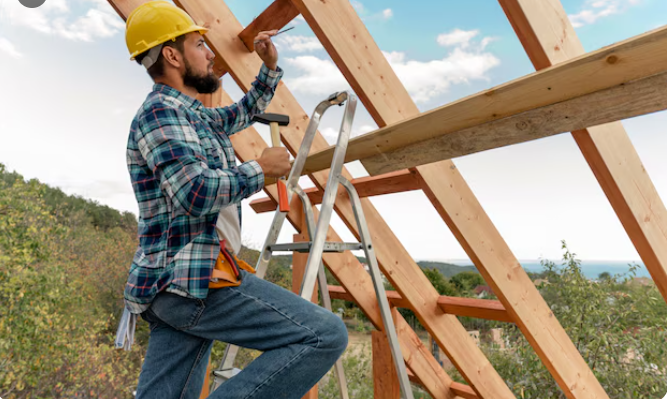
Whether managing large-scale commercial installations or residential roof replacements, a professional roofing contractor must continually balance technical craft, project safety, and operational efficiency. The roofing industry is dynamic, driven by evolving material technologies, shifting building codes, and advanced haulage equipment. To consistently deliver top-quality craftsmanship that stands the test of time, here are ten fundamental essentials every professional roofing contractor should master.
1. Advanced Material Selection Expertise
Understanding the subtle nuances between roofing materials is fundamental. Asphalt shingles offer cost-effective versatility, standing-seam metal roofing delivers unmatched longevity and solar reflectance, while slate and concrete tile provide premium aesthetics paired with structural load considerations. A skilled contractor evaluates climate demands, deck load capacities, and client budgets to recommend the ideal roofing material for long-term protection.
2. Proper Attic Ventilation Systems
Inadequate ventilation remains one of the primary causes of premature roof failure. Trapped heat and excess moisture in the attic space can warp wooden decking, encourage mold growth, and deteriorate shingles from the inside out. Establishing balanced airflow with intake vents under the eaves and exhaust vents near the ridge regulates attic temperatures year-round, extending system durability.
3. Thorough Roof Deck Preparation
A resilient installation relies entirely on a sound foundation. Before laying down fresh shingles or metal panels, the underlying wood deck must be thoroughly inspected for rot, sag, or water damage. Installing synthetic underlayment and self-adhering ice-and-water shields across eaves and valleys provides essential secondary moisture barriers against wind-driven rain and ice dams.
4. Precision Flashing Techniques
Water intrusion rarely starts in the middle of an intact roof surface; it occurs at seams, penetrations, and wall intersections. Installing corrosion-resistant step flashing around chimneys, skylights, sidewalls, and vent pipes is non-negotiable. Proper counter-flashing techniques ensure that water naturally sheds over joint transitions rather than seeping behind them.
5. Pitch and Slope Considerations
Roof pitch directly determines suitable material selection and installation strategy. Low-slope roofs (pitches under 4/12) require specialized continuous membranes, such as TPO, EPDM, or modified bitumen, to prevent water pooling. Conversely, steep-pitch installations shed water rapidly but demand dedicated rigging, specialized footwear, and enhanced safety anchor placements.
6. Efficient Job Site Waste Management
Maintaining a clean, safe job site protects crew members, home property, and public safety. Timely debris removal during tear-off operations prevents structural overload and keeps walkways clear. Roofing crews often invest in commercial hauling options, frequently searching for dump trailers for sale in Utah to safely manage heavy asphalt tear-offs, reduce transit cycles to disposal sites, and maintain clean project schedules.
7. Strict OSHA Safety Protocols
Safety compliance is paramount for any elevated trade. Establishing comprehensive fall protection systems—including personal fall arrest harnesses, anchored lifelines, guardrails, and proper ladder staging—drastically minimizes job site risks. Daily safety huddles ensure every worker understands tie-off requirements and hazard awareness.
8. Integration of Energy-Efficient Technologies
Modern property owners actively seek energy-efficient roofing upgrades. Offering cool-roof technologies, reflective coatings, high-R-value rigid insulation boards, and solar-ready mounting hardware positions a contracting business as an innovative, eco-conscious leader. These solutions reduce cooling costs for property owners while supporting sustainability goals.
9. Comprehensive Code Compliance and Permitting
Navigating local municipal building codes and securing required permits prevents costly project delays and legal complications. A professional contractor stays fully informed on regional wind-uplift requirements, fire resistance ratings, ice barrier codes, and structural load allowances to guarantee that every completed installation passes inspection without friction.
10. Transparent Client Communication and Warranties
Technical expertise must be supported by transparent client management. Providing detailed written estimates, establishing clear project timelines, and thoroughly explaining the difference between manufacturer material warranties and contractor labor guarantees builds long-term client trust and fosters positive word-of-mouth referrals.
Conclusion
Mastering these ten core principles elevates a roofing company from basic service provision to industry leadership. By combining high-grade materials, meticulous installation practices, safety compliance, and efficient job site logistics, professional roofing contractors ensure long-term structural integrity and lasting peace of mind for their clients.
Read more: Ultimate Guide to Home Treadmill Workouts for Fitness Enthusiasts
