
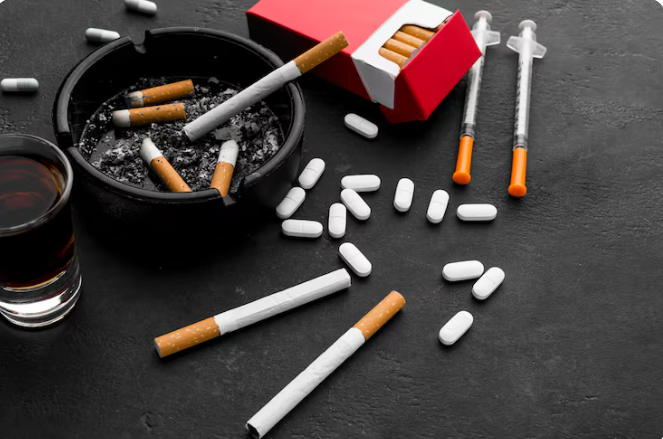
Illegal drugs continue to pose severe risks to physical health, mental well-being, and social stability across communities. Substance abuse affects not only the individual using the drug but also creates a widespread ripple effect impacting families, healthcare systems, and legal frameworks. To foster awareness and informed decision-making, it is essential to understand the primary categories of illegal substances, how they interact with the human body, and their associated health and legal consequences.
Stimulants: Accelerating the Nervous System
Stimulants are substances that increase central nervous system activity, resulting in heightened alertness, elevated energy levels, and intense euphoria. Common examples include cocaine and synthetic substances such as methamphetamine.
While stimulants offer a short-lived high, their physiological tax is heavy. Short-term physical effects include elevated heart rate, increased blood pressure, and suppressed appetite. Extended misuse can lead to severe cardiovascular complications such as heart attacks, strokes, and permanent neurological damage. Psychologically, chronic stimulant use frequently triggers severe paranoia, intense anxiety, aggressive behavior, and violent outbursts.
Depressants and Opioids: Slowing Down Body Functions
In contrast to stimulants, depressants slow brain function and central nervous system processing. Misused prescription sedatives like benzodiazepines and illicit depressants like GHB induce relaxation and drowsiness but carry extreme risks of dependence and cognitive impairment.
Opioids represent another highly dangerous class of depressants and pain-relievers. Illicit opioids like heroin, along with synthetic compounds such as illicitly manufactured fentanyl, bind directly to pain receptors in the brain. They produce euphoria and immediate pain suppression, but high doses lead to profound respiratory depression. Opioid overdoses remain a leading cause of accidental death worldwide, as even microscopic amounts of synthetic opioids can prove fatal.
Hallucinogens and Cannabinoids: Altering Perception
Hallucinogens disrupt normal perception, mood, and cognitive processes. Substances such as LSD, psilocybin mushrooms, and PCP cause users to experience visual and auditory distortions or detachment from reality. Although some hallucinogens are not physically addictive in the traditional sense, their psychological unpredictability can trigger panic attacks, severe anxiety, psychotic episodes, and long-lasting psychological distress.
Cannabinoids, primarily cannabis containing high concentrations of psychoactive THC, occupy a unique category. While legal status varies across jurisdictions, illegal or unregulated misuse can impair memory, attention, and motor coordination. Heavy or prolonged use is also linked to heightened risks of anxiety, depression, and mental health complications in vulnerable individuals.
Long-Term Health Risks and Legal Consequences
Beyond immediate health threats, chronic drug abuse damages bodily organs, leading to liver disease, lung damage, and cardiovascular disorders. The social and economic ramifications are equally severe, resulting in financial hardship, broken personal relationships, and lost career opportunities.
Furthermore, involvement with controlled substances carries strict legal penalties. Possessing, manufacturing, or distributing illicit substances can result in felony charges, substantial fines, and lengthy prison sentences. In severe cases where individuals face accusations of large-scale distribution or interstate transport, retaining a knowledgeable drug trafficking lawyer in Salt Lake City becomes essential for protecting constitutional rights and navigating complex criminal court procedures.
Conclusion
Understanding the distinct categories of illegal drugs and their consequences is a crucial step toward harm reduction and community health. Whether dealing with stimulants, depressants, opioids, or hallucinogens, the long-term risks far outweigh any short-term effects. Education, early intervention, and professional support—both medical and legal—remain the most effective defenses against the devastating impacts of drug abuse.
Read more: Everyday Habits That Support Oral Wellness and Whole-Body Health
