
Key Takeaways
- Daily routines, food and drink choices, sleep, stress, and regular professional care shape oral health.
- Brushing thoroughly, cleaning between teeth, drinking water, and reducing frequent sugar exposure can make a meaningful difference over time.
- A practical routine is more useful than a perfect routine that is hard to maintain during busy or stressful periods.
- Bleeding gums, pain, swelling, persistent dry mouth, and sores that do not heal should be evaluated by a professional.
Table of Contents
- Build a Daily Routine That Actually Sticks
- Understand the Mouth and Whole-Body Connection
- Choose Foods and Drinks That Support Teeth
- Account for Stress, Sleep, and Dry Mouth
- Adjust Care at Different Life Stages
- Know Which Warning Signs Need Attention
- Use a Simple Routine Reset
- Make Oral Wellness a Regular Part of Health Care
Healthy habits often begin with small choices that are easy to repeat. Understanding why is dental hygiene important can help put those choices in perspective. Caring for teeth and gums is not only about a clean-looking smile. It can support comfort while eating, clearer speech, greater confidence in social settings, and better ability to stay focused throughout the rest of the day.
Oral wellness does not require an elaborate routine or an all-or-nothing mindset. It is built through ordinary actions completed consistently, including daily cleaning, thoughtful eating and drinking patterns, and paying attention when something feels different. The goal is to make care simple enough to continue during work deadlines, travel, illness, and major life changes.
Build a Daily Routine That Actually Sticks
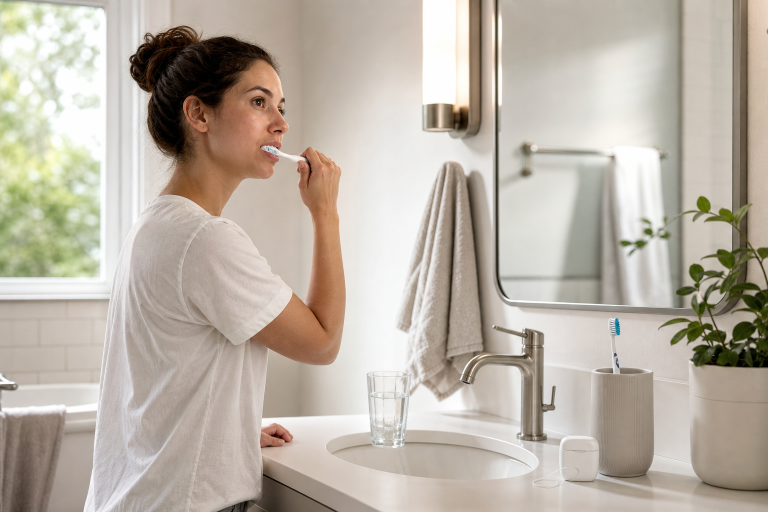
The most effective oral care routine is usually the one that fits naturally into an existing day. Think of it like making coffee, taking a daily medication, or plugging in a phone before bed. Brush twice a day with fluoride toothpaste, and clean between teeth once a day with floss or another tool that works well for you. Replace a toothbrush or brush head when it becomes worn, and keep supplies visible instead of tucked away in a hard-to-reach cabinet.
Consistency matters more than choosing the “perfect” time. For example, someone who is too tired to floss at night may have better success keeping floss near the coffee maker or using it after breakfast. Linking a new habit to a routine that already exists can reduce the need to rely solely on memory.
Understand the Mouth and Whole-Body Connection
The mouth is part of the body, not a separate system that only matters during a dental appointment. Tooth pain, gum irritation, missing teeth, and other oral concerns can affect eating, speaking, sleep, concentration, mood, and self-confidence. Oral health is also connected with broader health, although it is important not to assume that one condition automatically causes another. Individual risks and health needs vary.
Public health guidance continues to emphasize prevention. In March 2026, the Virginia Department of Health highlighted oral health as an important part of overall wellness, focusing on brushing, flossing, balanced eating, and regular checkups. These familiar habits may feel basic, but they protect the foundation needed for a comfortable daily life.
Choose Foods and Drinks That Support Teeth
Eating patterns can be just as important as individual foods. Teeth are repeatedly exposed when sugary snacks, sweetened drinks, sports drinks, or acidic beverages are sipped throughout the day. That does not mean every treat must disappear. Instead, aim to reduce the number of separate exposures and make water the usual between-meal drink.
Practical Food and Drink Tips
- Choose water more often, particularly between meals and snacks.
- Limit all-day sipping of sweetened, carbonated, or acidic drinks.
- Include crunchy fruits and vegetables when they fit your eating plan.
- Add protein- and calcium-rich foods to balanced meals.
- Rinse with water after acidic foods or drinks, but immediately brushing is not practical.
Consider a busy workday example. If someone drinks several small sodas between meetings, switching to water at the desk and having one beverage with lunch can reduce repeated exposure to sugar and acid without requiring a complete diet overhaul. Small adjustments are more likely to last than strict rules that create frustration.
Account for Stress, Sleep, and Dry Mouth
Stress and poor sleep can make every form of self-care, including oral care, harder. Some people clench or grind their teeth during stressful periods, while others snack more often, forget nighttime brushing, or wake with a dry mouth. Jaw soreness, morning headaches, or teeth that appear worn may warrant discussion with a dental professional.
Dry mouth also deserves attention because saliva helps keep the mouth comfortable and supports tooth protection. Keep water nearby, especially overnight or while working, and consider whether a new medication or health change coincided with the onset of the symptom. A dentist, physician, or pharmacist can help review possible causes when dry mouth persists or makes eating and speaking difficult.
Adjust Care at Different Life Stages
Oral care needs can change throughout life. Children benefit from hands-on guidance and encouragement while they learn technique. Teenagers may need portable supplies for braces, sports, school, and changing schedules. Adults often need routines that survive long workdays, caregiving, pregnancy, or travel. Older adults may experience dry mouth, tooth wear, gum sensitivity, or reduced hand strength, which can make traditional flossing harder to use.
Rather than treating these changes as setbacks, adapt the routine. Keep a small toothbrush kit in a backpack or work bag, connect brushing to a reliable morning and evening cue, or ask about tools that are easier to grip and use. The right approach is the one that helps daily care remain manageable.
Know Which Warning Signs Need Attention
Some changes are temporary, but symptoms that continue or worsen should not be ignored. The Centers for Disease Control and Prevention notes that oral disease may not always cause obvious pain in its earlier stages, which is one reason regular checkups matter. Home care is essential, but it does not replace professional evaluation.
- Gums that bleed frequently or remain swollen.
- Tooth pain, strong sensitivity, or a cracked tooth.
- Loose teeth or a noticeable change in how teeth fit together.
- Persistent bad breath despite regular cleaning.
- Sores, lumps, or color changes that do not heal.
Online information cannot diagnose an oral condition. Contact a dentist or physician for ongoing symptoms, and seek prompt care for severe pain, significant swelling, trouble swallowing, or signs of infection.
Use a Simple Routine Reset
If your routine has slipped, skip the guilt and begin with the next useful step. A reset does not need to wait for Monday, a new month, or a major lifestyle change.
- Start with the next brushing. One completed routine is a practical restart.
- Improve one drink choice. Choose water over a usual soda, juice, or energy drink.
- Add between-tooth cleaning. Begin with a few teeth if completing the full routine feels difficult.
- Set one reminder. Use a phone alert or place supplies beside an established daily cue.
- Schedule needed care. Make an appointment if pain, bleeding, or other concerns continue.
Make Oral Wellness a Regular Part of Health Care
Oral wellness grows from simple decisions repeated over time. A realistic routine of brushing, cleaning between teeth, drinking water, making balanced food choices, noticing warning signs, and seeking professional care when needed can support comfort, nutrition, confidence, and quality of life. Perfection is not required. A practical routine that continues through everyday life is what makes the lasting difference.

Pingback: Types of Illegal Drugs: Understanding Their Effects and Risks - Thebankify