
Key Takeaways
- Hybrid cars offer superior fuel efficiency, resulting in significant cost savings over time.
- They emit fewer pollutants, contributing to a cleaner environment.
- Advanced features such as regenerative braking enhance performance and reduce maintenance requirements.
- Government incentives can make hybrid purchases more affordable.
Table of Contents
- Fuel Efficiency and Cost Savings
- Environmental Impact
- Regenerative Braking
- Government Incentives
- Driving Experience
- Maintenance and Reliability
- Types of Hybrid Vehicles
- Considerations Before Purchasing
- Final Thoughts
Hybrid vehicles stand at the intersection of efficiency and innovation, offering drivers a solution that balances environmental consciousness with reliable performance. As more consumers seek alternatives to traditional gasoline-powered cars, hybrid models offer compelling features such as advanced fuel economy, lower emissions, reduced maintenance, and a smoother ride. Discover how these vehicles maximize your investment while aligning with modern values. Learn more about the latest options and technologies available on the market today.
With a hybrid car, you enjoy a driving experience that is both refined and economical. The integration of electric motors and combustion engines allows hybrids to adapt to diverse environments, thriving in both city traffic and highway cruises. This versatility, along with financial and environmental incentives, highlights why hybrids have become a top choice for informed drivers everywhere.
Beyond fuel savings, hybrids offer technologies such as regenerative braking, which captures and reuses energy to improve efficiency. Governments are encouraging this shift through incentives and policy support, making the transition easier for more people.
Understanding how hybrids work and how they can fit your lifestyle is key to making a smart purchase decision. By evaluating driving habits, local charging infrastructure, and up-front costs versus long-term savings, you can determine the true value a hybrid vehicle brings.
Fuel Efficiency and Cost Savings
Hybrid vehicles are known for their remarkable fuel economy. By combining a gasoline engine with one or more electric motors, hybrids achieve higher miles per gallon (mpg) than most conventional cars. Some well-known models, such as the Toyota Prius, can reach up to 57 mpg, making them well-suited for city driving with frequent stop-and-go conditions. This efficiency not only reduces monthly fuel expenses but also makes hybrids a practical option for those who regularly drive long distances. According to the U.S. Department of Energy, these savings can amount to thousands of dollars over the life of the vehicle. For many buyers, this cost advantage is a decisive factor in their choice.
Environmental Impact
Hybrid vehicles play a crucial role in reducing harmful emissions. Thanks to their electric drive, they typically emit about 20% fewer greenhouse gases than their traditional counterparts. This reduction significantly improves urban air quality and reduces smog, addressing the rising concern over city pollution. By operating on electric power at low speeds and during idle times, hybrids further limit their carbon footprint. This ongoing shift towards sustainable practices is a fundamental part of reaching broader environmental targets and creating a healthier community.
Regenerative Braking
Among the standout features in hybrid cars is regenerative braking. Traditional vehicles lose kinetic energy as heat when braking, but hybrids use specially engineered systems to recover energy during deceleration. This captured energy is converted into electric power and returned to the vehicle’s battery, improving energy efficiency and extending the overall driving range. Additionally, this technology means brake components wear down more slowly than they would in a standard vehicle, reducing maintenance costs and resulting in fewer trips to the mechanic over the car’s lifespan.
Government Incentives
Governments worldwide encourage the adoption of hybrid vehicles through various incentives. In the United States, buyers of plug-in hybrid vehicles can qualify for federal tax credits up to $7,500, depending on the model and battery capacity. Some states add to these savings with local rebates, grants, discounted registration, or even free parking in certain urban areas. Eligibility for high-occupancy vehicle (HOV) lane access is an added perk for many hybrid drivers, offering a faster commute. The combination of lower long-term fuel costs and these incentives can make hybrids an appealing, financially sound option for a wide range of drivers.
Driving Experience
Driving a hybrid car is often described as smooth and tranquil. The electric motor supplies immediate torque, resulting in swift yet quiet acceleration. This means less engine noise, especially at low speeds, making city driving notably peaceful. Furthermore, transitions between electric-only and gasoline modes are almost seamless, adding to the comfort of both drivers and passengers. Features like adaptive cruise control and advanced driver assistance systems, often found in hybrid models, further enhance a modern, user-friendly driving experience.
Maintenance and Reliability
Hybrid cars usually demand less routine maintenance than traditional gasoline-powered vehicles. Because much of the propulsion at lower speeds comes from the electric motor, the gasoline engine experiences reduced strain, resulting in longer oil-change intervals and fewer engine-related repairs. Regenerative braking, aside from improving energy efficiency, slows the rate of brake pad wear. In addition, many major manufacturers back their hybrid systems and batteries with extended warranties, providing significant reassurance about long-term reliability and ownership costs.
Types of Hybrid Vehicles
Understanding the key distinctions among hybrid vehicle designs can help you select the best option:
- Full Hybrids: These systems can drive using the electric motor, gasoline engine, or a blend of both. This flexibility allows for zero-emission driving at low speeds and efficient highway travel.
- Mild Hybrids: In these vehicles, the electric motor supports the gasoline engine but cannot power the car on its own. Mild hybrids often offer improved fuel economy at a lower entry price.
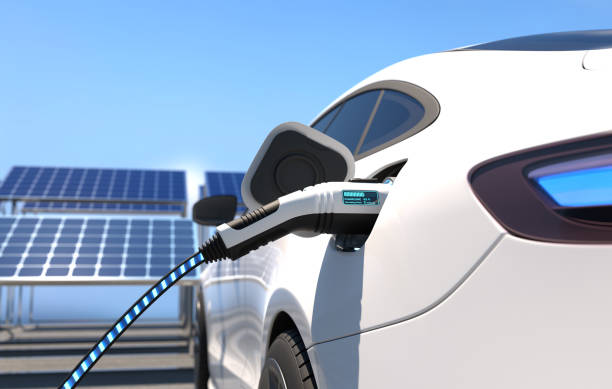
- Plug-in Hybrids (PHEVs): Featuring larger batteries, PHEVs allow longer electric-only trips and can be charged through an external power source. For many users, this option bridges the gap between fully electric vehicles and traditional hybrids.
Considerations Before Purchasing
Buying a hybrid car is a significant investment. To determine the best fit for your needs, evaluate your daily driving routine. If most of your mileage occurs during short city trips, hybrids can maximize fuel efficiency and minimize emissions. Also, factor in up-front costs, including available government incentives, as well as your ability to access charging infrastructure if you select a plug-in hybrid. Finally, compare anticipated fuel savings and reduced maintenance with the purchase price to understand your long-term return on investment.
Final Thoughts
Assessing these factors will empower you to make an informed decision that aligns with your lifestyle, values, and budget. As technology and infrastructure continue to advance, hybrid vehicles offer an attractive path toward a smarter, more sustainable future on the road.
